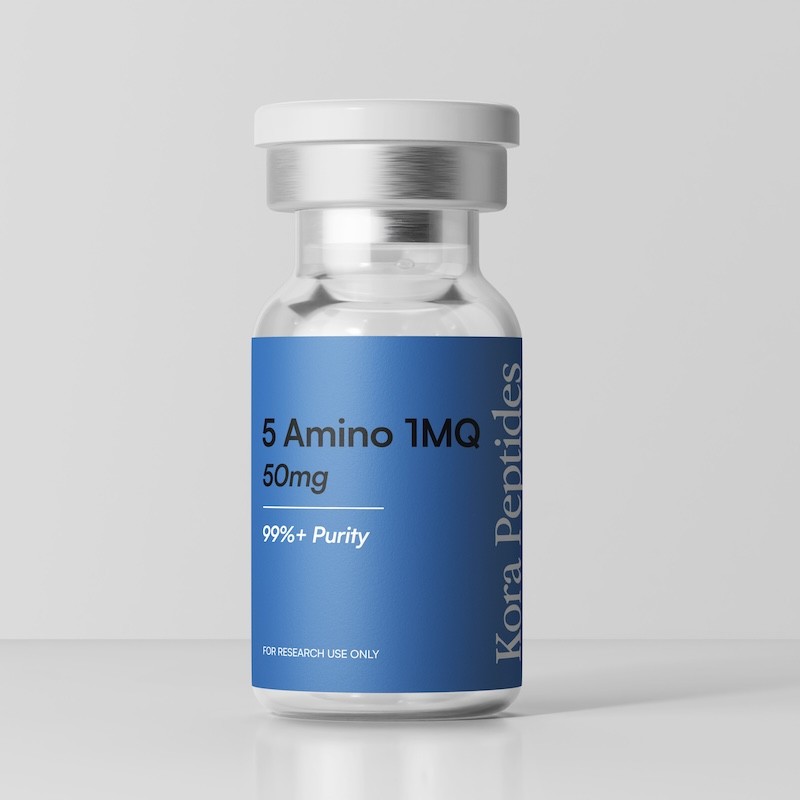
5 Amino 1MQ (50mg)
A metabolism-activating compound that blocks the fat-storing enzyme NNMT. Research shows up to 25% reductions in fat mass over 12 weeks in animal models, with enhanced energy expenditure and preserved lean muscle mass throughout.
A metabolism-activating compound that blocks the fat-storing enzyme NNMT. Research shows up to 25% reductions in fat mass over 12 weeks in animal models, with enhanced energy expenditure and preserved lean muscle mass throughout.
2,000,000 IDR
2,000,000 IDR

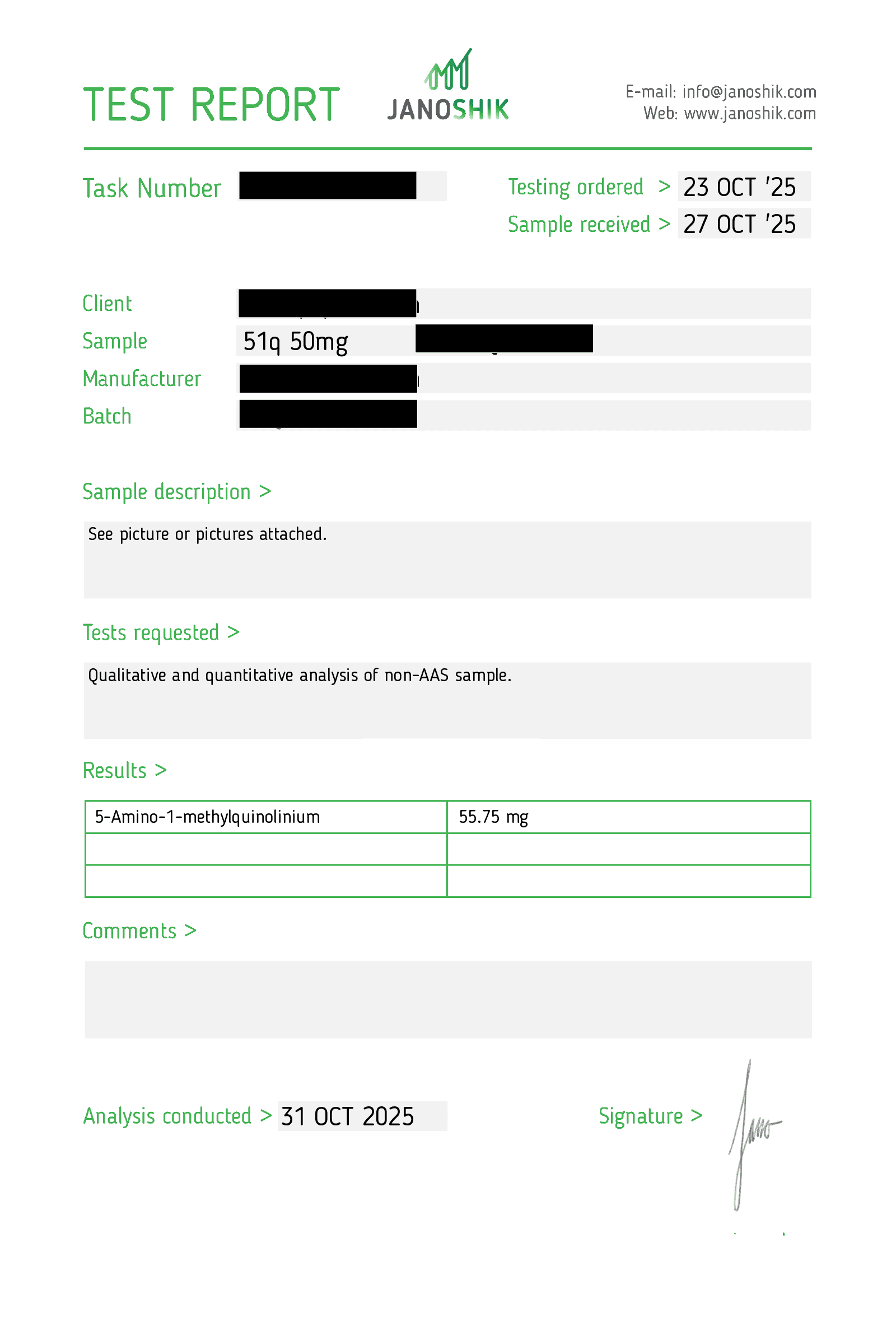
Lab Reports & COA's
Lab Reports & COA's
Purity
Passed
How should I store this peptide?
What purity are your peptides?
Research Use Only [Disclaimer]
Same-day shipping
Local orders are delivered same-day
Same-day shipping
Local orders are delivered same-day
Free deliveries and returns worldwide
We deliver across the world for free
Guaranteed returns within first two weeks
Return us desired item within two weeks

Overview
Lab Reports
Storage
Overview
What 5‑Amino‑1MQ Is & How It Works
5‑Amino‑1MQ (5‑Amino‑1‑methylquinolinium) is a small‑molecule research compound that targets a key metabolic enzyme called nicotinamide N‑methyltransferase (NNMT). NNMT consumes nicotinamide, a building block in the NAD⁺ salvage pathway — which is essential for cellular energy, mitochondrial function, and metabolic balance. By selectively inhibiting NNMT, 5‑Amino‑1MQ helps preserve nicotinamide for NAD⁺ synthesis, boosting NAD⁺‑dependent cellular pathways like mitochondrial biogenesis, energy metabolism, and sirtuin signaling that are foundational to metabolic regulation.
Mechanism of Action & Metabolic Impact
NNMT inhibition by 5‑Amino‑1MQ has been shown in preclinical adipocyte and animal models to increase intracellular NAD⁺ levels, which supports oxidative phosphorylation and energy expenditure rather than storage. This shift enhances fat oxidation, improves glucose handling and insulin sensitivity, and helps maintain lean muscle metabolism under metabolic stress. Specific research data indicate that NNMT inhibition significantly reduces intracellular 1‑methylnicotinamide (1‑MNA) levels, elevates NAD⁺ by ~1.2–1.6× in cell models, and suppresses lipogenesis pathways linked to adiposity.
Research Findings & Investigational Benefits
In diet‑induced obese rodent studies, 5‑Amino‑1MQ has been associated with reduced adipose tissue mass, enhanced energy expenditure, and improved insulin sensitivity — all without changes in food intake. These preclinical outcomes also extend to improved mitochondrial function and metabolic flexibility, which are core endpoints in metabolic health research. While robust human clinical trials are still lacking, these mechanisms form the basis for ongoing metabolic and longevity‑focused investigations into fat regulation, NAD⁺‑associated signaling, and cellular energy dynamics.
Overview
Lab Reports
Storage
Overview
What 5‑Amino‑1MQ Is & How It Works
5‑Amino‑1MQ (5‑Amino‑1‑methylquinolinium) is a small‑molecule research compound that targets a key metabolic enzyme called nicotinamide N‑methyltransferase (NNMT). NNMT consumes nicotinamide, a building block in the NAD⁺ salvage pathway — which is essential for cellular energy, mitochondrial function, and metabolic balance. By selectively inhibiting NNMT, 5‑Amino‑1MQ helps preserve nicotinamide for NAD⁺ synthesis, boosting NAD⁺‑dependent cellular pathways like mitochondrial biogenesis, energy metabolism, and sirtuin signaling that are foundational to metabolic regulation.
Mechanism of Action & Metabolic Impact
NNMT inhibition by 5‑Amino‑1MQ has been shown in preclinical adipocyte and animal models to increase intracellular NAD⁺ levels, which supports oxidative phosphorylation and energy expenditure rather than storage. This shift enhances fat oxidation, improves glucose handling and insulin sensitivity, and helps maintain lean muscle metabolism under metabolic stress. Specific research data indicate that NNMT inhibition significantly reduces intracellular 1‑methylnicotinamide (1‑MNA) levels, elevates NAD⁺ by ~1.2–1.6× in cell models, and suppresses lipogenesis pathways linked to adiposity.
Research Findings & Investigational Benefits
In diet‑induced obese rodent studies, 5‑Amino‑1MQ has been associated with reduced adipose tissue mass, enhanced energy expenditure, and improved insulin sensitivity — all without changes in food intake. These preclinical outcomes also extend to improved mitochondrial function and metabolic flexibility, which are core endpoints in metabolic health research. While robust human clinical trials are still lacking, these mechanisms form the basis for ongoing metabolic and longevity‑focused investigations into fat regulation, NAD⁺‑associated signaling, and cellular energy dynamics.
PEPTIDES
PEPTIDES
You Might also like
You Might also like
Add these popular peptides to your order now
Add these popular peptides to your order now
Best Seller
Weight Loss
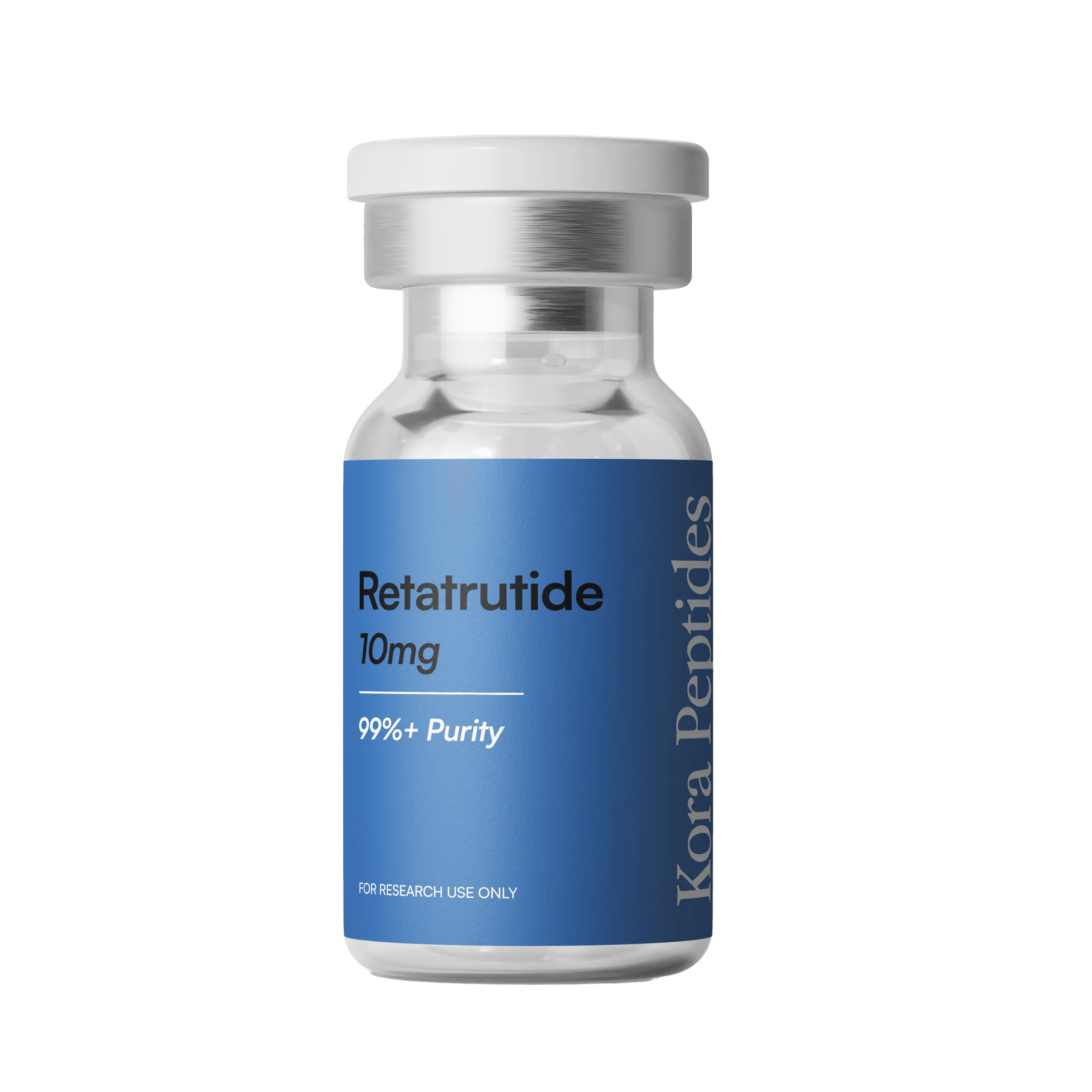
Retatrutide
The most powerful weight loss peptide studied, with clinical trials showing up to 24% body weight reduction in 48 weeks.
Best Seller
Weight Loss / Muscle
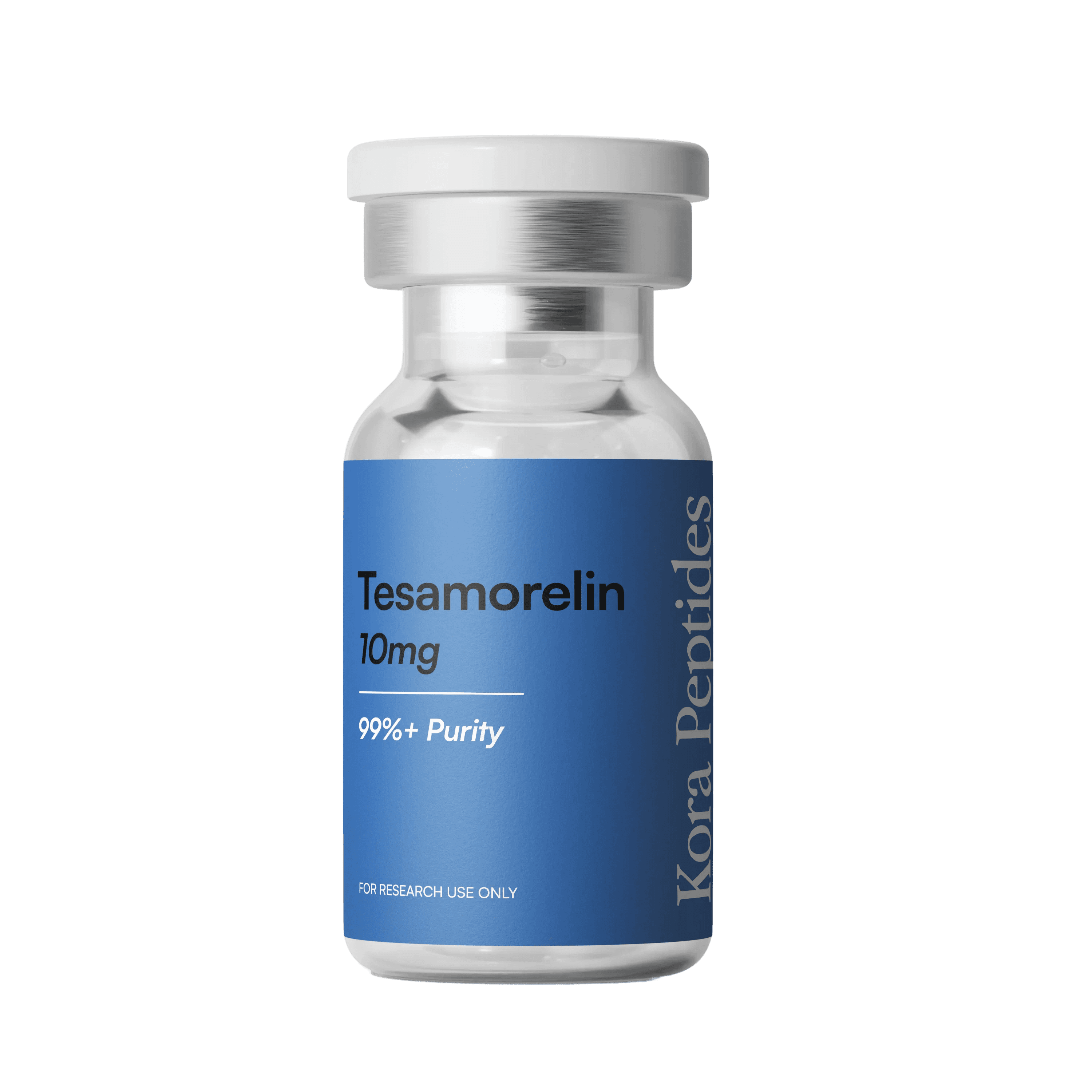
Tesamorelin
A GHRH analogue clinically proven to reduce visceral belly fat by 15-18% over 26 weeks.
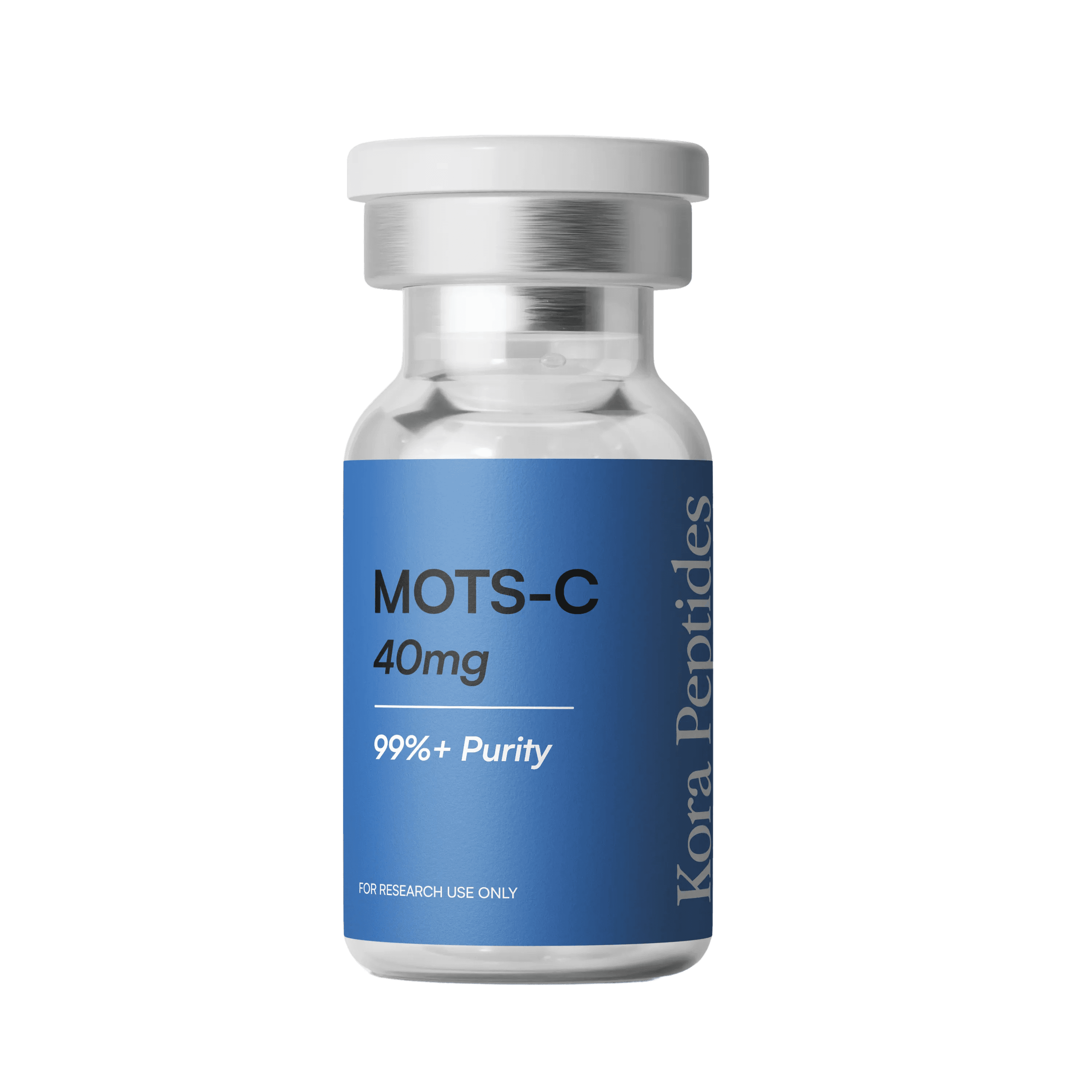
Best Seller
ENERGY
MOTS-C
A mitochondrial peptide that enhances glucose metabolism by 15-25% and boosts endurance capacity by up to 65%.
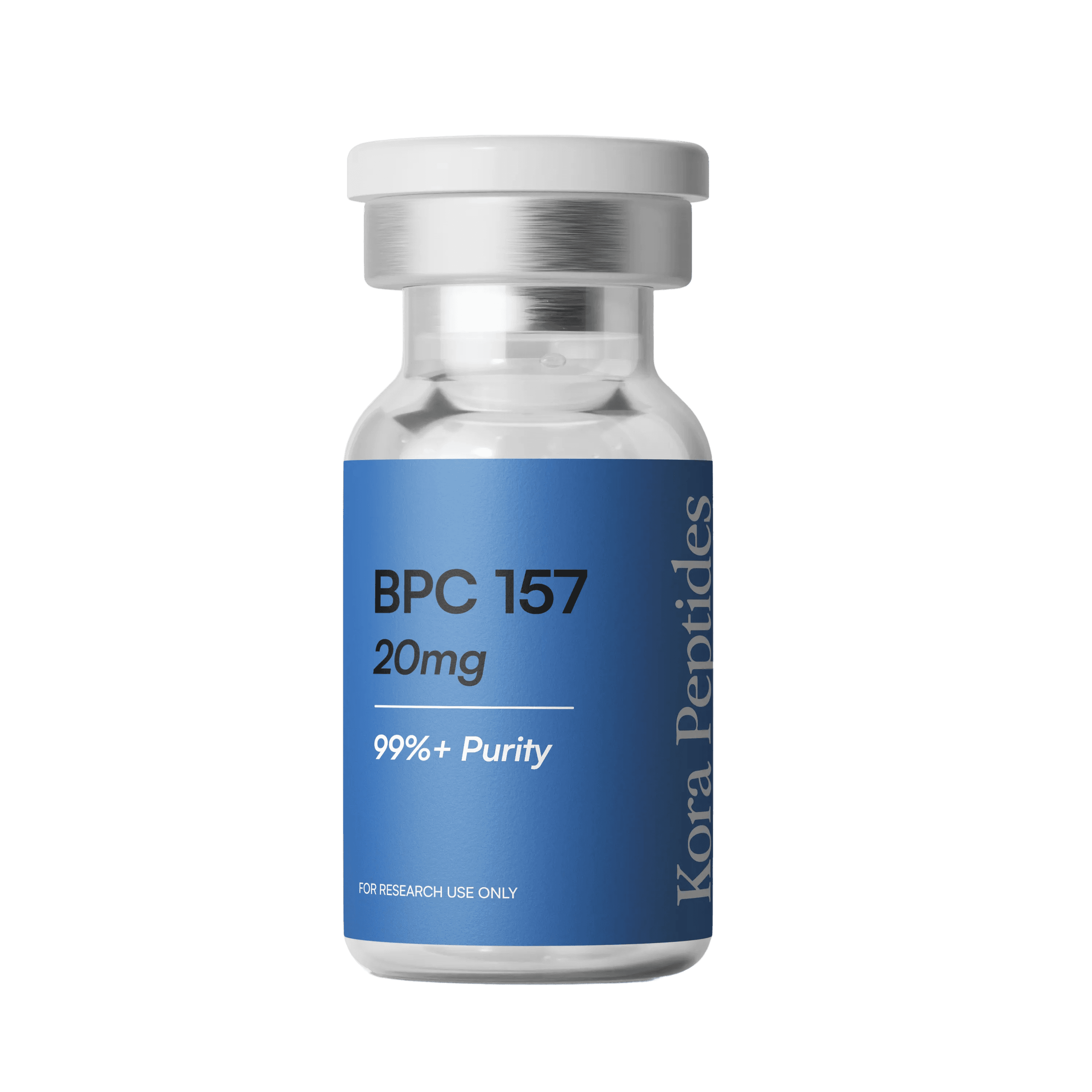
Best Seller
RECOVERY
BPC 157
The "wolverine peptide" demonstrating 50-70% accelerated healing in tendon, muscle, and ligament injury models.
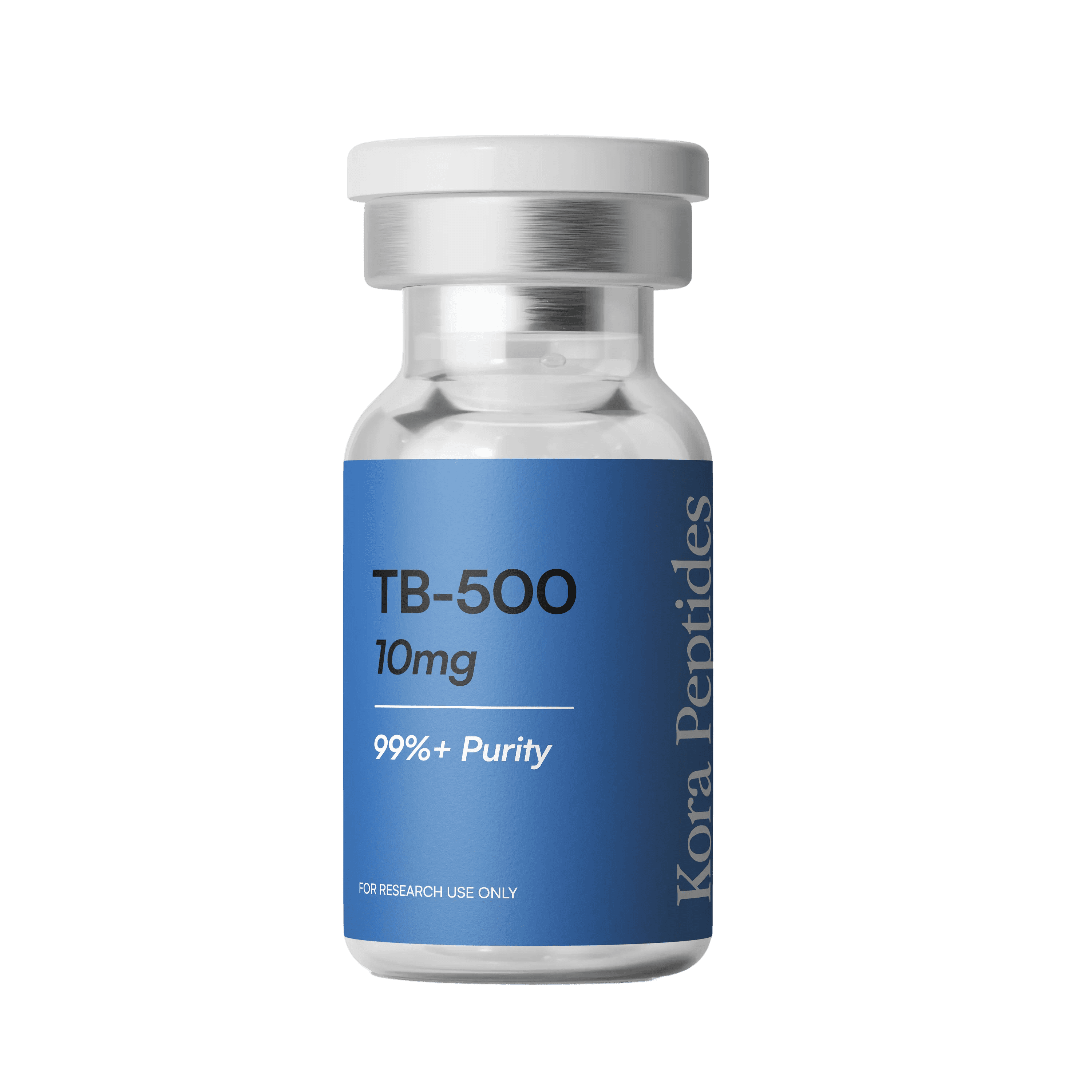
Best Seller
RECOVERY
TB 500
A tissue repair peptide demonstrating 40-60% faster recovery times in injury models through enhanced cell migration and healing.
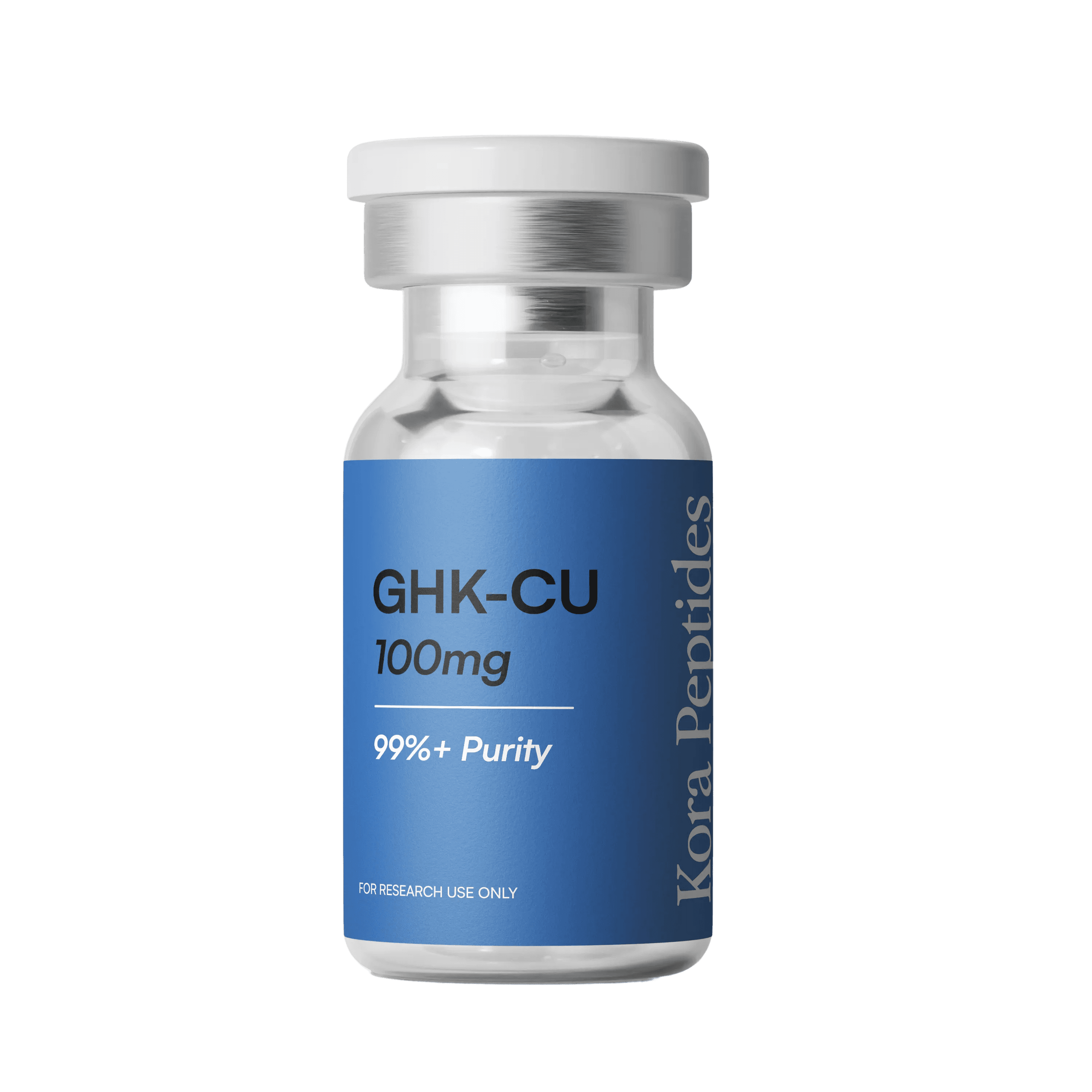
Best Seller
SKIN
GHK CU
A copper peptide complex that increases collagen synthesis by up to 70%, promoting skin firmness and tissue regeneration.
FAQ
FAQ