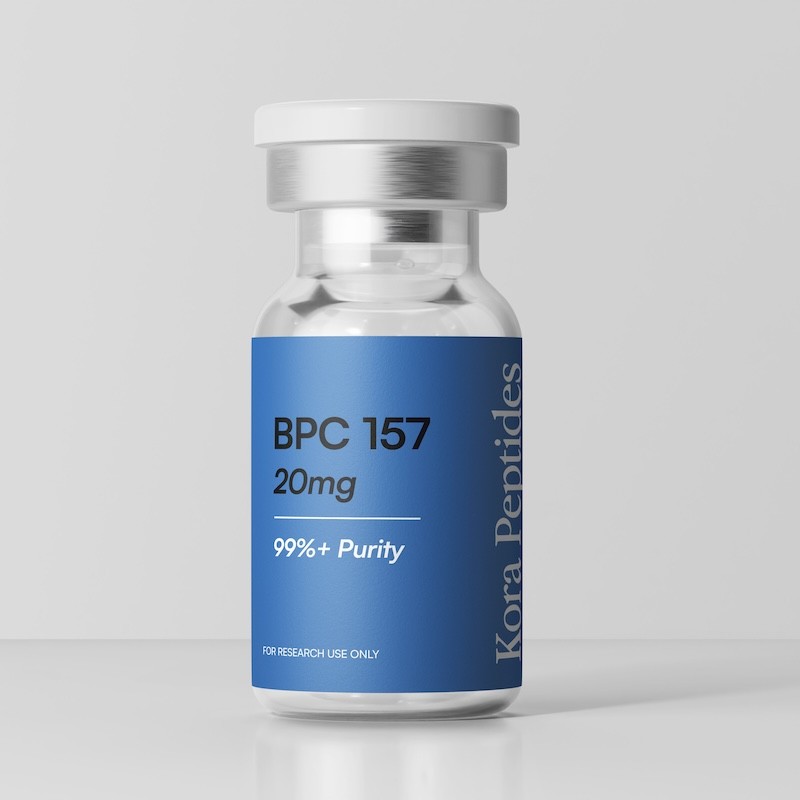
BPC-157
BPC-157
The "wolverine peptide" renowned for its remarkable tissue regeneration properties. Animal studies demonstrate 50-70% accelerated healing in tendon, muscle, and ligament injuries, with improvements in blood flow and reduced inflammation visible within 1-2 weeks.
The "wolverine peptide" renowned for its remarkable tissue regeneration properties. Animal studies demonstrate 50-70% accelerated healing in tendon, muscle, and ligament injuries, with improvements in blood flow and reduced inflammation visible within 1-2 weeks.
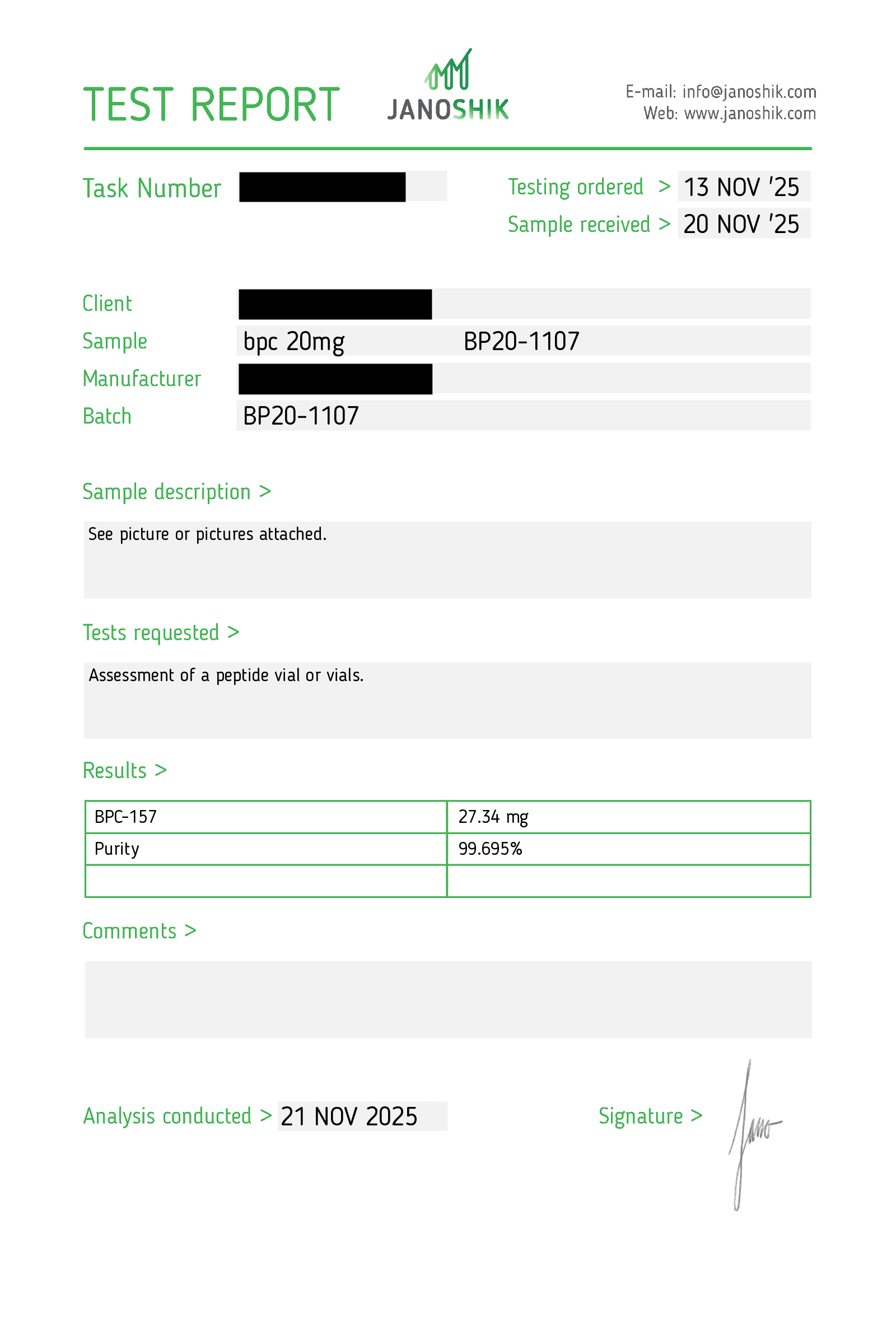
Lab Reports & COA's
Lab Reports & COA's
Purity
Passed
How should I store this peptide?
What purity are your peptides?
Research Use Only [Disclaimer]
Same-day shipping
Local orders are delivered same-day
Same-day shipping
Local orders are delivered same-day
Free deliveries and returns worldwide
We deliver across the world for free
Guaranteed returns within first two weeks
Return us desired item within two weeks

Overview
Lab Reports
Storage
Overview
What BPC 157 Is & How It Works
BPC 157 (Body Protection Compound-157) is a synthetic 15-amino-acid peptide inspired by a fragment of a larger protein studied in gastric research. Preclinical evidence shows it activates multiple healing-related pathways, including angiogenesis (blood vessel formation), growth factor signaling, cell migration, and anti-inflammatory responses — all of which are key drivers in tissue repair and regeneration. It has been shown to upregulate growth hormone receptor expression and modulate pathways tied to collagen organization and cellular survival in tissue models
Observed Benefits & Preclinical Evidence
In animal models, BPC 157 has consistently demonstrated accelerated recovery across a wide range of tissues — including tendons, ligaments, muscle, bone, skin, and gastrointestinal mucosa. Studies in rats with Achilles tendon injuries showed improved biomechanical strength, more organized collagen, and significantly enhanced functional recovery versus controls. :contentReference[oaicite:1]{index=1} A systematic review of over 30 studies (largely preclinical) found enhanced structural, biomechanical, and functional outcomes in musculoskeletal injury models, along with enhanced vascularization and reduced inflammatory cytokines. :contentReference[oaicite:2]{index=2} One retrospective human case series (small cohort) reported pain relief persisting for more than six months following intra-articular BPC 157 injection for chronic knee pain, highlighting early translational interest though clinical evidence remains limited.
Why It’s of Interest to Performance & Recovery Research
Because BPC 157 engages multiple endogenous repair pathways rather than relying on a single mechanism, it’s frequently studied in research focused on tissue regeneration and recovery. Its potential to support vascular growth, connective-tissue remodeling, and cellular survival under stress makes it a compound of interest for projects examining accelerated healing trajectories and resilience after injury. While robust clinical trials are still lacking, the preclinical literature offers a mechanistic foundation that many researchers find compelling for continued investigation.
Overview
Lab Reports
Storage
Overview
What BPC 157 Is & How It Works
BPC 157 (Body Protection Compound-157) is a synthetic 15-amino-acid peptide inspired by a fragment of a larger protein studied in gastric research. Preclinical evidence shows it activates multiple healing-related pathways, including angiogenesis (blood vessel formation), growth factor signaling, cell migration, and anti-inflammatory responses — all of which are key drivers in tissue repair and regeneration. It has been shown to upregulate growth hormone receptor expression and modulate pathways tied to collagen organization and cellular survival in tissue models
Observed Benefits & Preclinical Evidence
In animal models, BPC 157 has consistently demonstrated accelerated recovery across a wide range of tissues — including tendons, ligaments, muscle, bone, skin, and gastrointestinal mucosa. Studies in rats with Achilles tendon injuries showed improved biomechanical strength, more organized collagen, and significantly enhanced functional recovery versus controls. :contentReference[oaicite:1]{index=1} A systematic review of over 30 studies (largely preclinical) found enhanced structural, biomechanical, and functional outcomes in musculoskeletal injury models, along with enhanced vascularization and reduced inflammatory cytokines. :contentReference[oaicite:2]{index=2} One retrospective human case series (small cohort) reported pain relief persisting for more than six months following intra-articular BPC 157 injection for chronic knee pain, highlighting early translational interest though clinical evidence remains limited.
Why It’s of Interest to Performance & Recovery Research
Because BPC 157 engages multiple endogenous repair pathways rather than relying on a single mechanism, it’s frequently studied in research focused on tissue regeneration and recovery. Its potential to support vascular growth, connective-tissue remodeling, and cellular survival under stress makes it a compound of interest for projects examining accelerated healing trajectories and resilience after injury. While robust clinical trials are still lacking, the preclinical literature offers a mechanistic foundation that many researchers find compelling for continued investigation.
PEPTIDES
PEPTIDES
You Might also like
You Might also like
Add these popular peptides to your order now
Add these popular peptides to your order now
Best Seller
Weight Loss
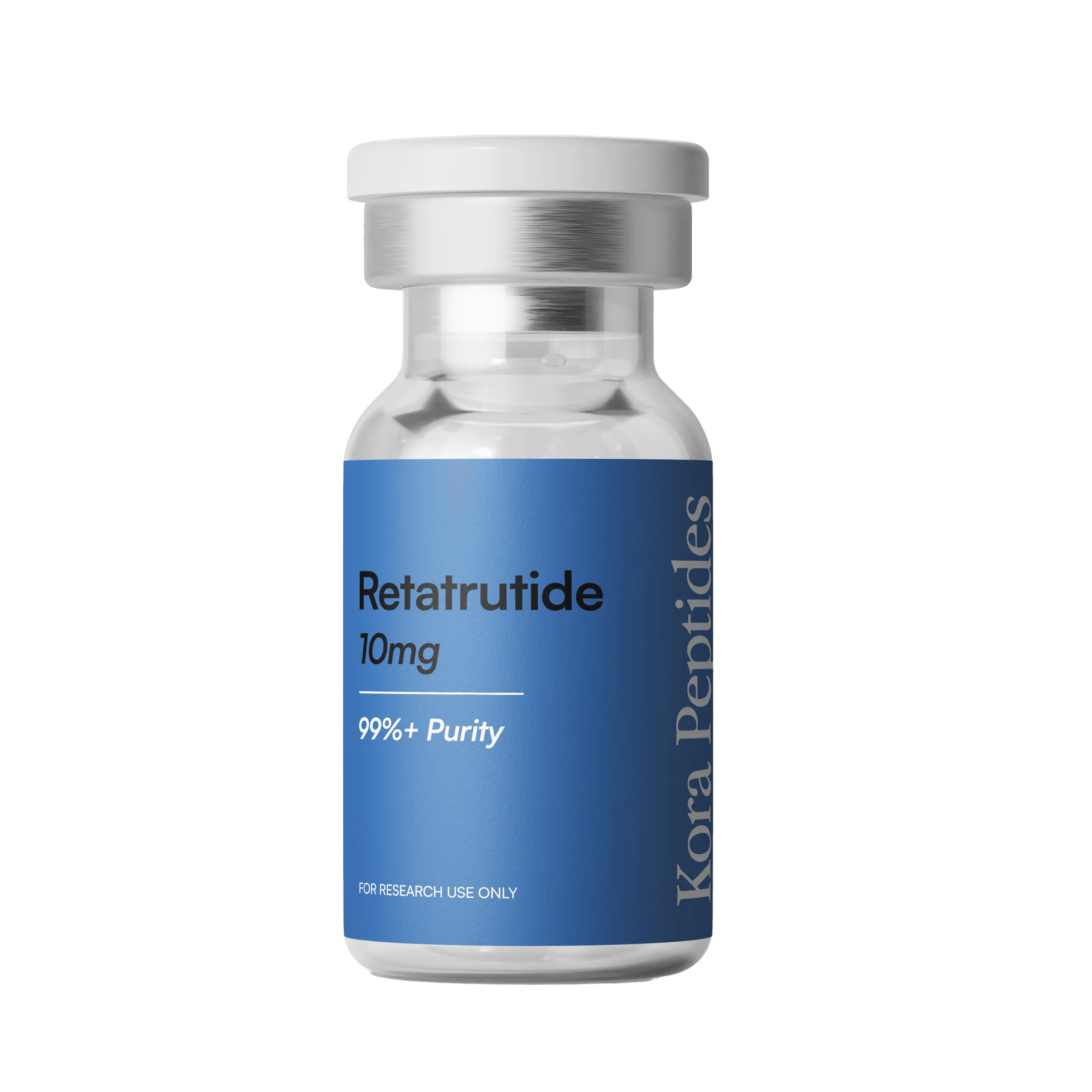
Retatrutide
The most powerful weight loss peptide studied, with clinical trials showing up to 24% body weight reduction in 48 weeks.
Best Seller
Weight Loss / Muscle
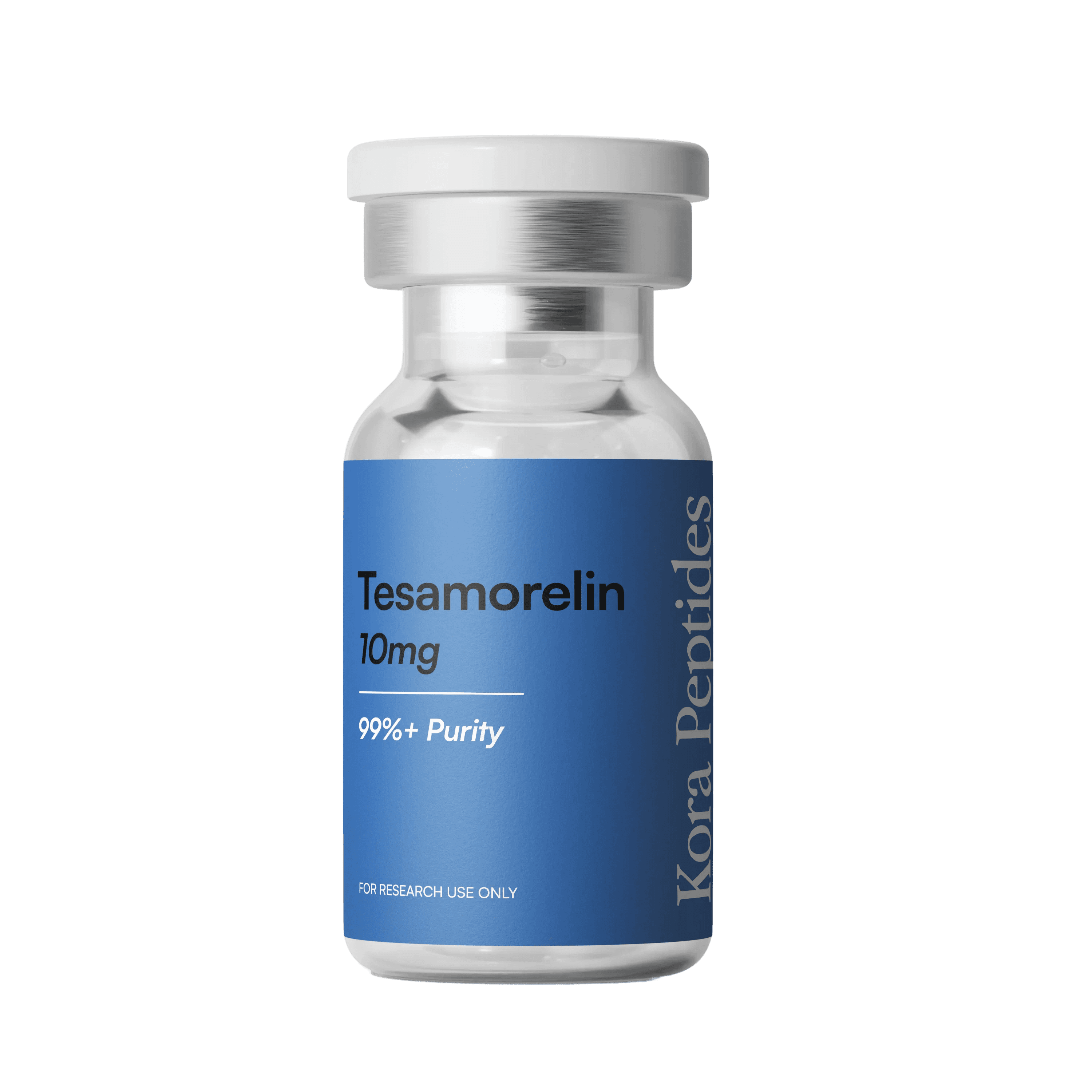
Tesamorelin
A GHRH analogue clinically proven to reduce visceral belly fat by 15-18% over 26 weeks.
Best Seller
ENERGY
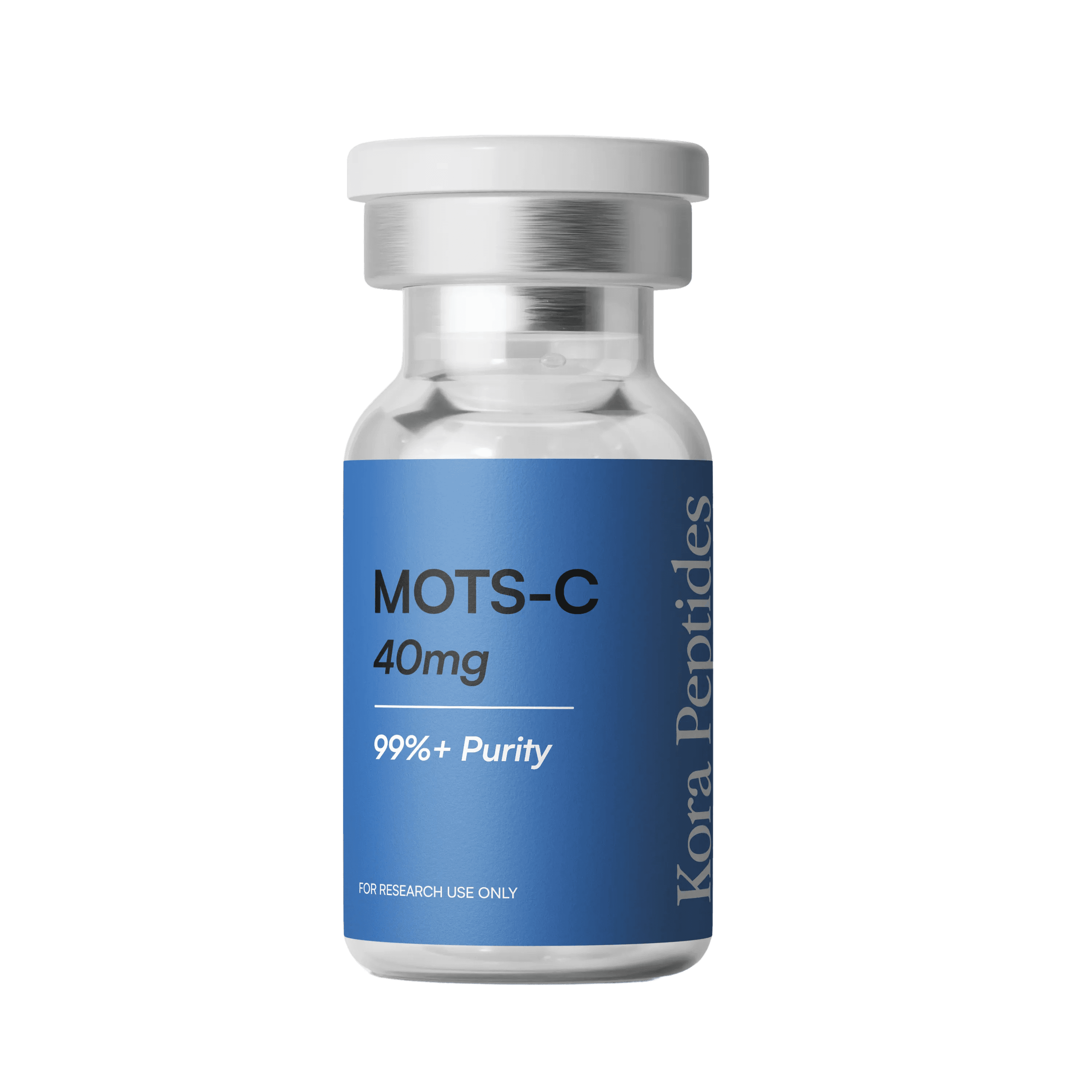
MOTS-C
A mitochondrial peptide that enhances glucose metabolism by 15-25% and boosts endurance capacity by up to 65%.
Best Seller
RECOVERY
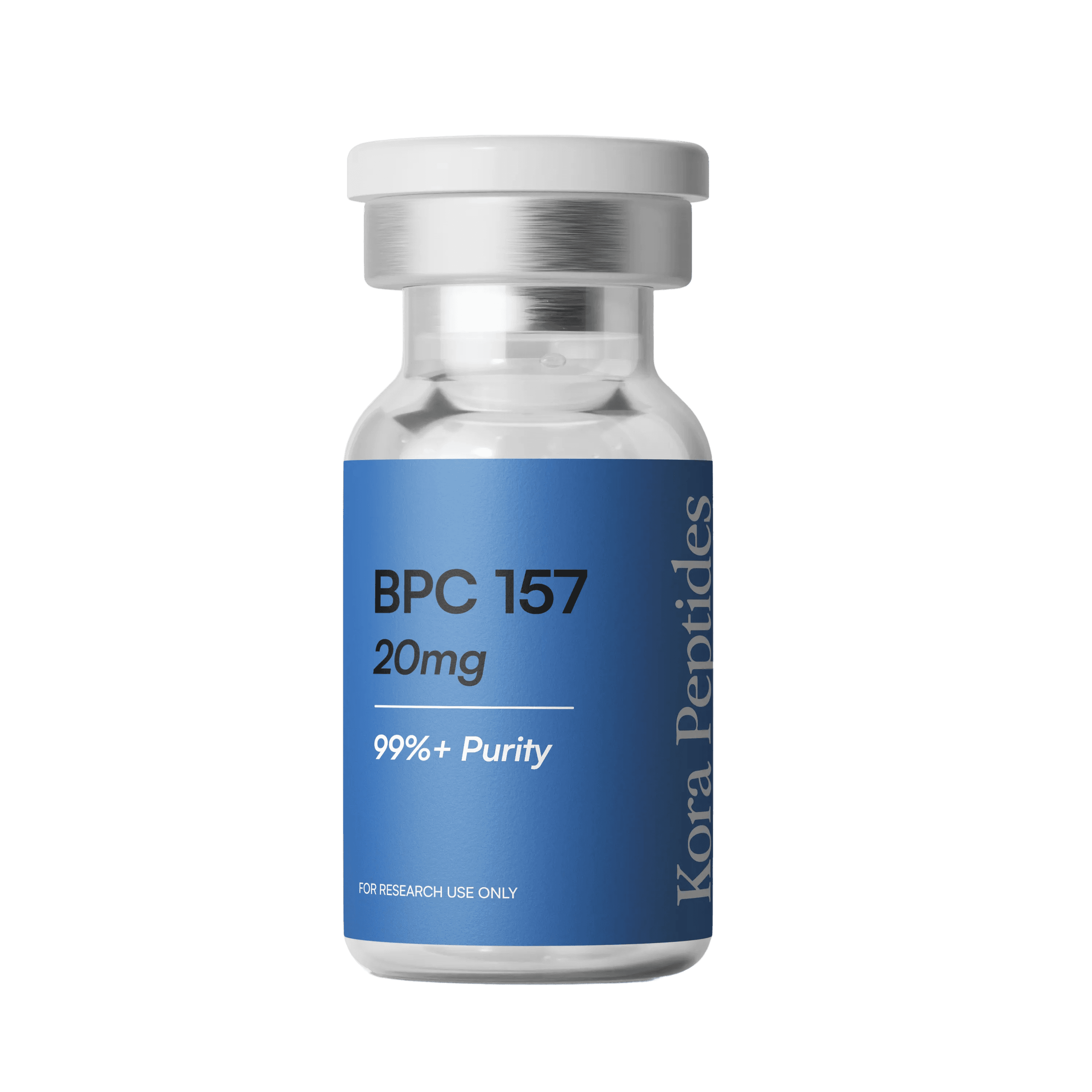
BPC 157
The "wolverine peptide" demonstrating 50-70% accelerated healing in tendon, muscle, and ligament injury models.
Best Seller
RECOVERY
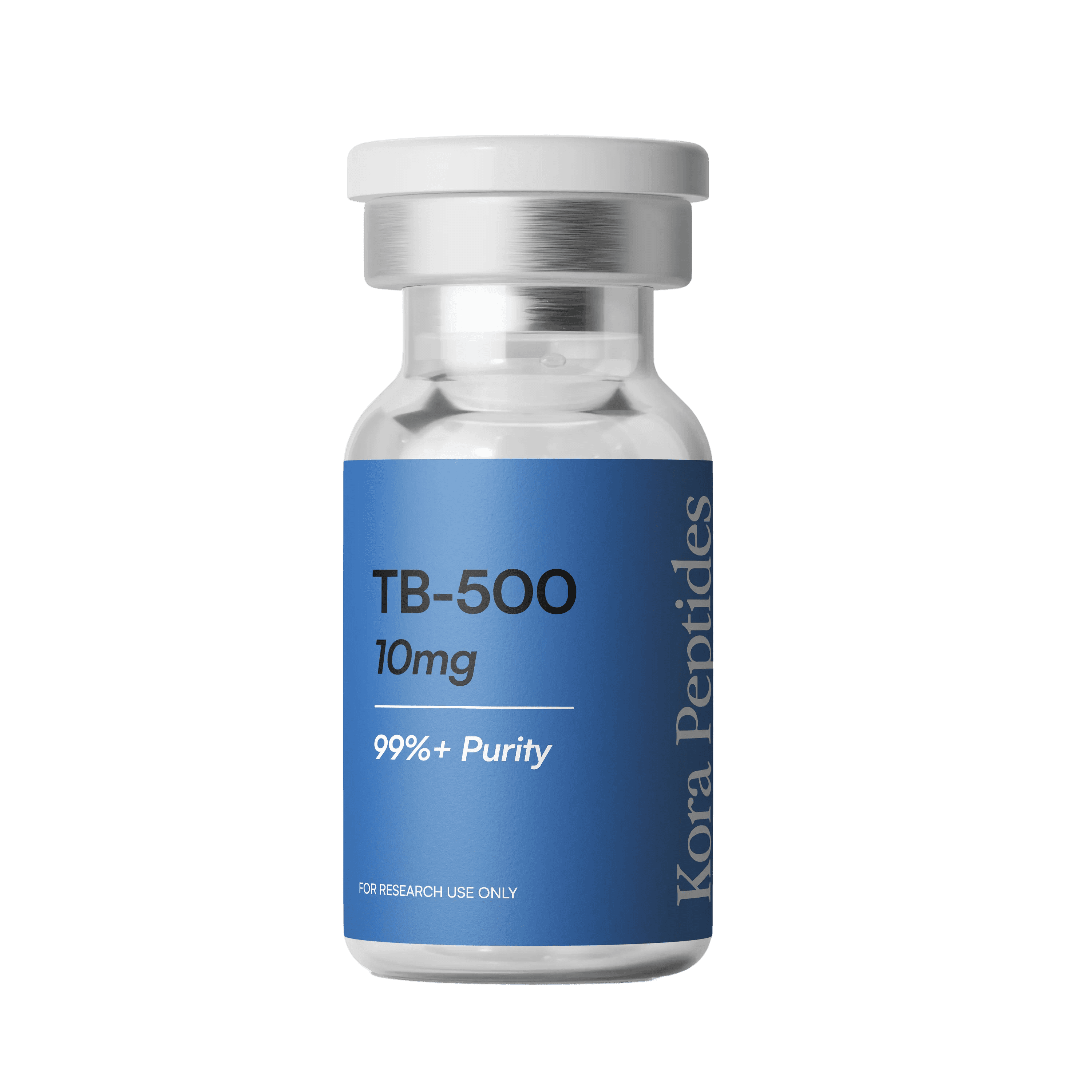
TB 500
A tissue repair peptide demonstrating 40-60% faster recovery times in injury models through enhanced cell migration and healing.
Best Seller
SKIN
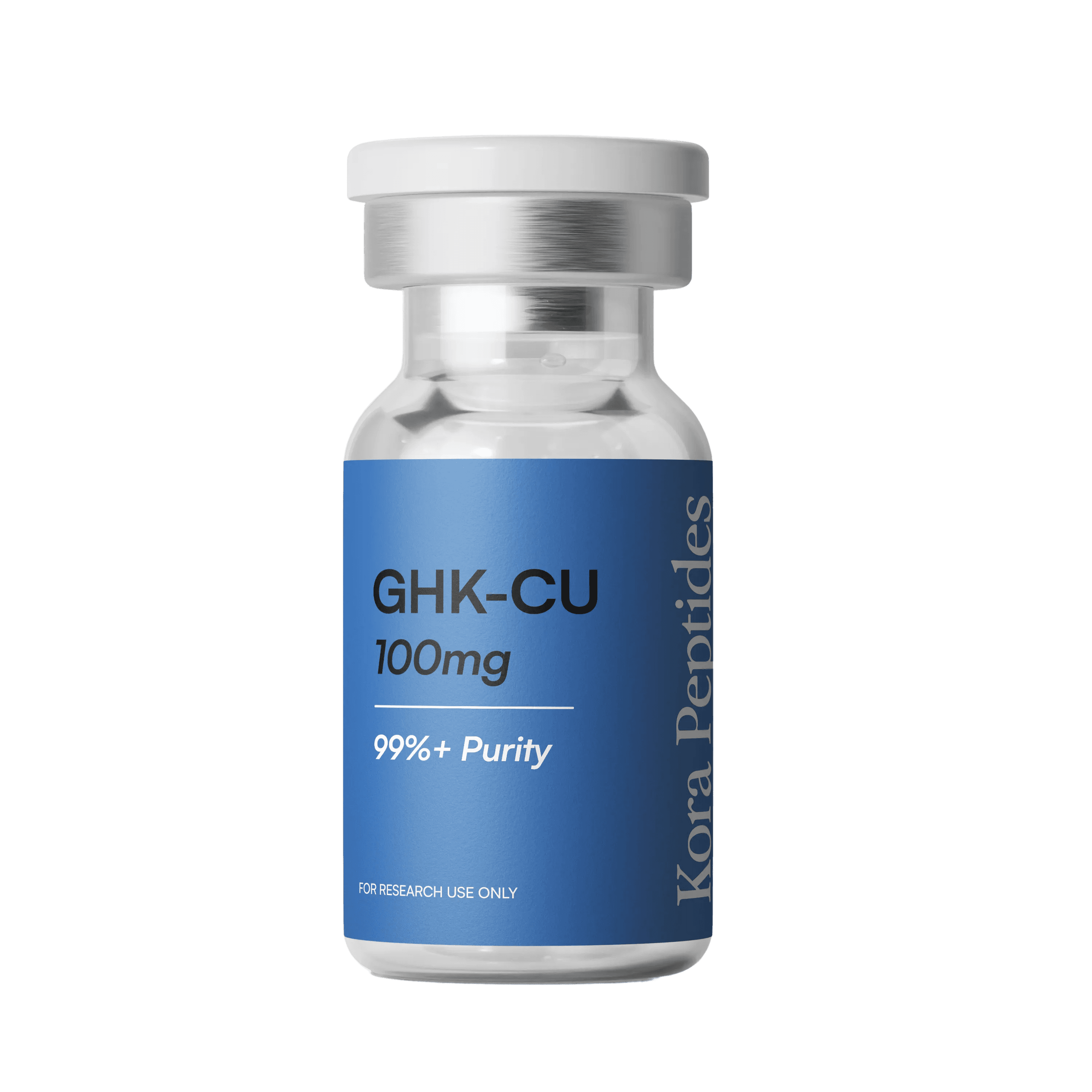
GHK CU
A copper peptide complex that increases collagen synthesis by up to 70%, promoting skin firmness and tissue regeneration.
FAQ
FAQ