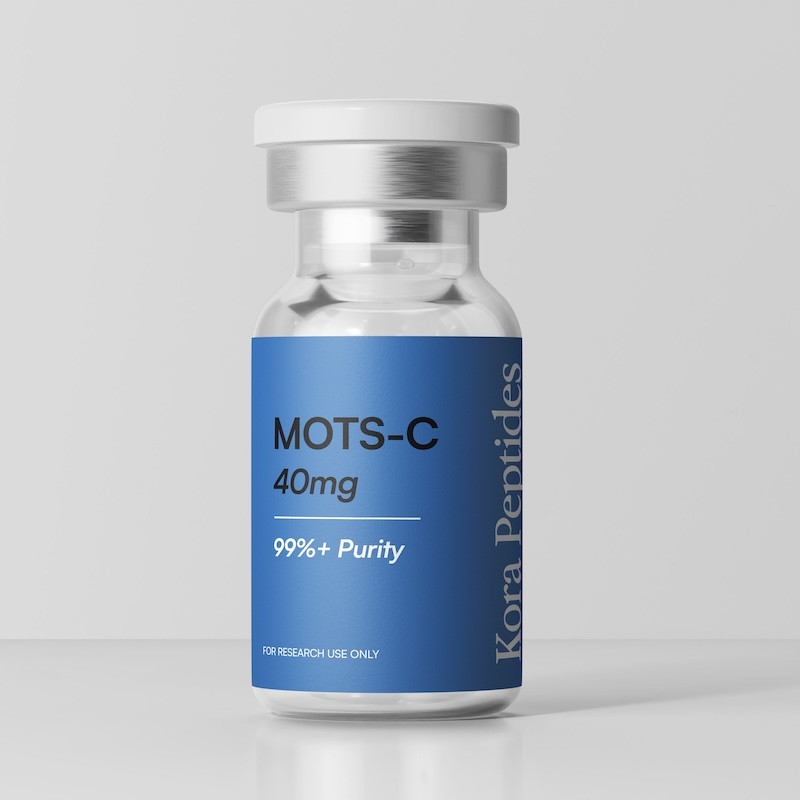
MOTS-C (40mg)
A mitochondrial peptide that transforms metabolic function and energy utilization. Research demonstrates 15-25% improvements in glucose metabolism and insulin sensitivity, with animal studies showing enhanced endurance capacity by up to 65% and fat oxidation increases.
A mitochondrial peptide that transforms metabolic function and energy utilization. Research demonstrates 15-25% improvements in glucose metabolism and insulin sensitivity, with animal studies showing enhanced endurance capacity by up to 65% and fat oxidation increases.
3,000,000 IDR
3,000,000 IDR

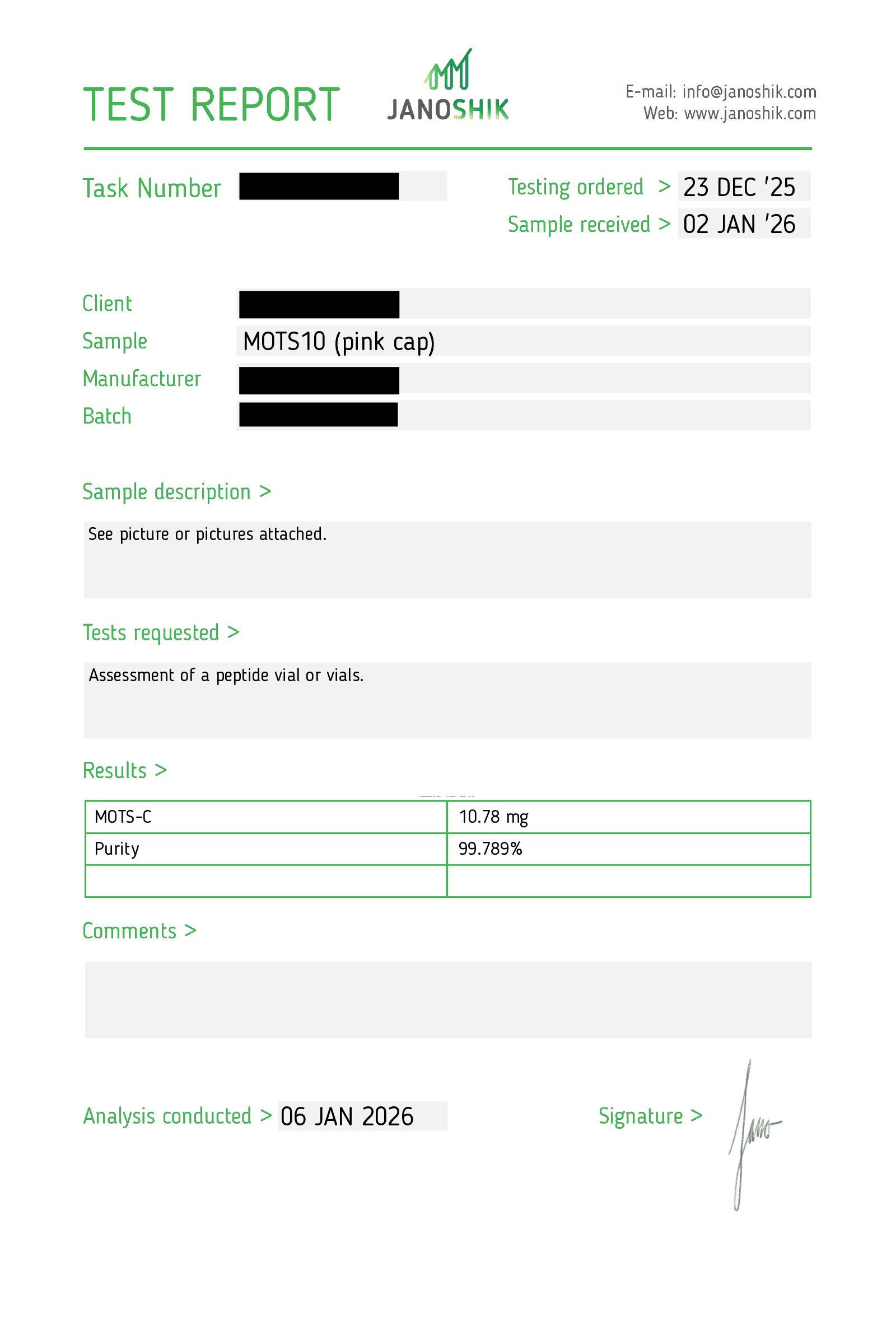
Lab Reports & COA's
Lab Reports & COA's
Purity
Passed
How should I store this peptide?
What purity are your peptides?
Research Use Only [Disclaimer]
Same-day shipping
Local orders are delivered same-day
Same-day shipping
Local orders are delivered same-day
Free deliveries and returns worldwide
We deliver across the world for free
Guaranteed returns within first two weeks
Return us desired item within two weeks

Overview
Lab Reports
Storage
Overview
What MOTS‑C Is & How It Works
MOTS‑C (Mitochondrial Open Reading Frame of the 12S rRNA‑c) is a mitochondria-derived peptide that acts as a metabolic regulator. It communicates mitochondrial status to the nucleus, modulating cellular energy metabolism, insulin sensitivity, and stress-response pathways. Research shows MOTS‑C activates AMPK signaling, enhances glucose uptake, regulates fatty acid oxidation, and supports mitochondrial biogenesis, making it a key mediator of systemic metabolic flexibility (PubMed, NCBI).
Observed Benefits in Preclinical Research
In animal models, MOTS‑C administration has been associated with improved insulin sensitivity, reduced weight gain on high-fat diets, enhanced endurance, and protection against age-related metabolic decline. Mice treated with MOTS‑C showed increased skeletal muscle glucose utilization and mitochondrial function, alongside favorable lipid profiles (PubMed). While human clinical data is still limited, early translational studies suggest potential for supporting metabolic health, exercise efficiency, and cellular resilience under stress conditions (NCBI).
Why It’s Researched in Performance & Longevity
MOTS‑C is of interest to researchers studying metabolic optimization, exercise adaptation, and aging biology. By acting as a mitochondrial “messenger” that coordinates energy use and stress responses, it represents a unique pathway for exploring whole-body metabolic resilience and healthy aging, distinct from traditional calorie restriction or exercise mimetics (NCBI).
Overview
Lab Reports
Storage
Overview
What MOTS‑C Is & How It Works
MOTS‑C (Mitochondrial Open Reading Frame of the 12S rRNA‑c) is a mitochondria-derived peptide that acts as a metabolic regulator. It communicates mitochondrial status to the nucleus, modulating cellular energy metabolism, insulin sensitivity, and stress-response pathways. Research shows MOTS‑C activates AMPK signaling, enhances glucose uptake, regulates fatty acid oxidation, and supports mitochondrial biogenesis, making it a key mediator of systemic metabolic flexibility (PubMed, NCBI).
Observed Benefits in Preclinical Research
In animal models, MOTS‑C administration has been associated with improved insulin sensitivity, reduced weight gain on high-fat diets, enhanced endurance, and protection against age-related metabolic decline. Mice treated with MOTS‑C showed increased skeletal muscle glucose utilization and mitochondrial function, alongside favorable lipid profiles (PubMed). While human clinical data is still limited, early translational studies suggest potential for supporting metabolic health, exercise efficiency, and cellular resilience under stress conditions (NCBI).
Why It’s Researched in Performance & Longevity
MOTS‑C is of interest to researchers studying metabolic optimization, exercise adaptation, and aging biology. By acting as a mitochondrial “messenger” that coordinates energy use and stress responses, it represents a unique pathway for exploring whole-body metabolic resilience and healthy aging, distinct from traditional calorie restriction or exercise mimetics (NCBI).
PEPTIDES
PEPTIDES
You Might also like
You Might also like
Add these popular peptides to your order now
Add these popular peptides to your order now
Best Seller
Weight Loss
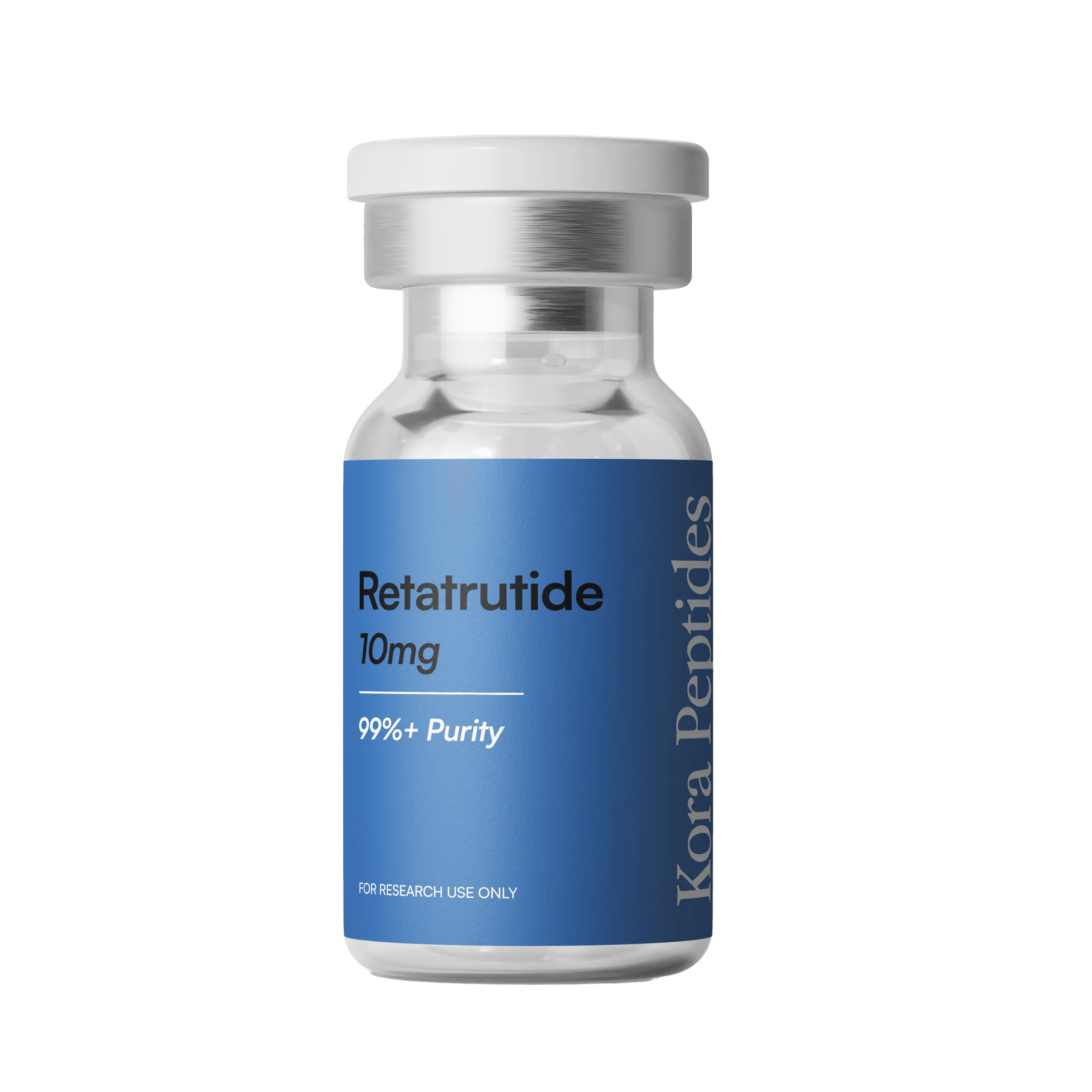
Retatrutide
The most powerful weight loss peptide studied, with clinical trials showing up to 24% body weight reduction in 48 weeks.
Best Seller
Weight Loss / Muscle
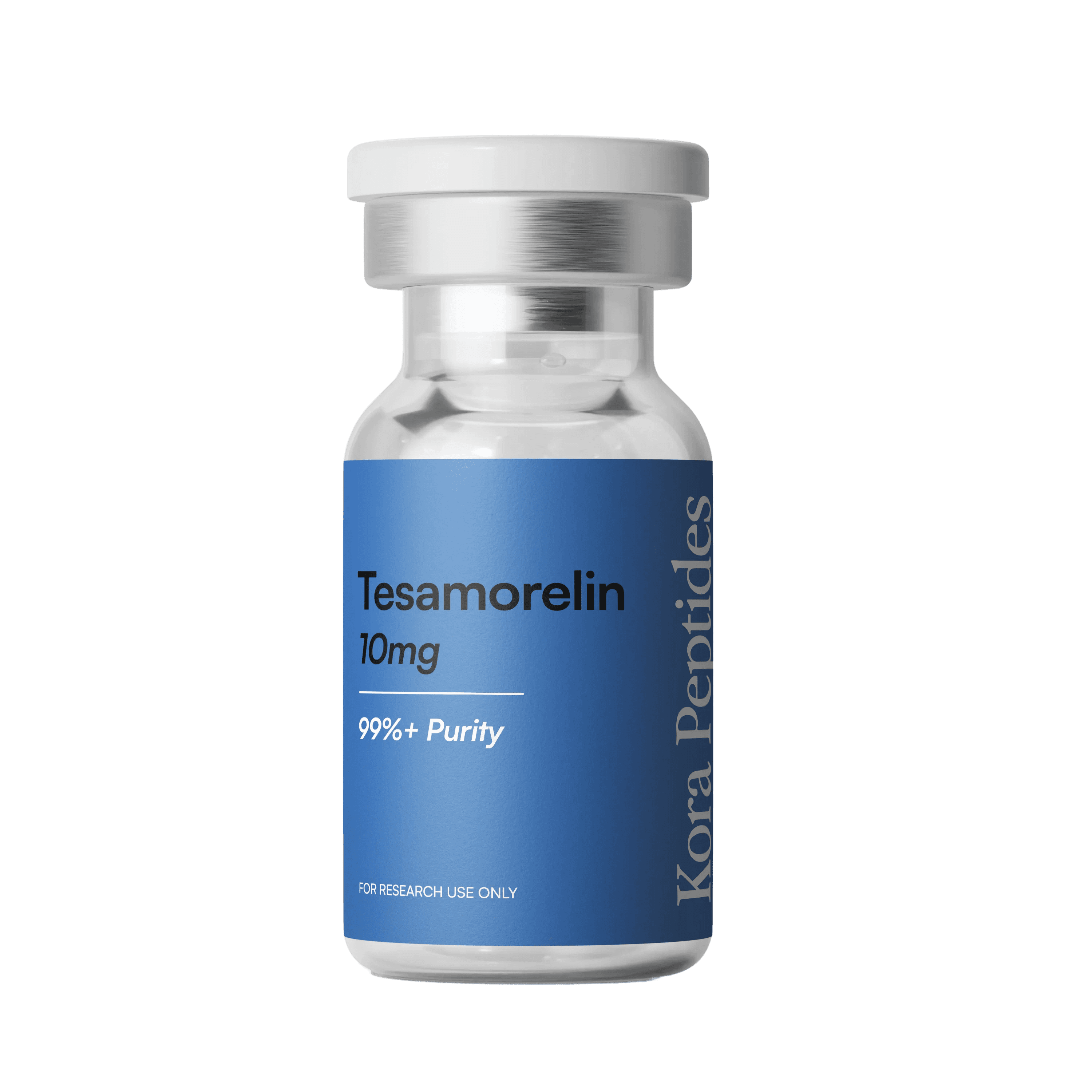
Tesamorelin
A GHRH analogue clinically proven to reduce visceral belly fat by 15-18% over 26 weeks.
Best Seller
ENERGY
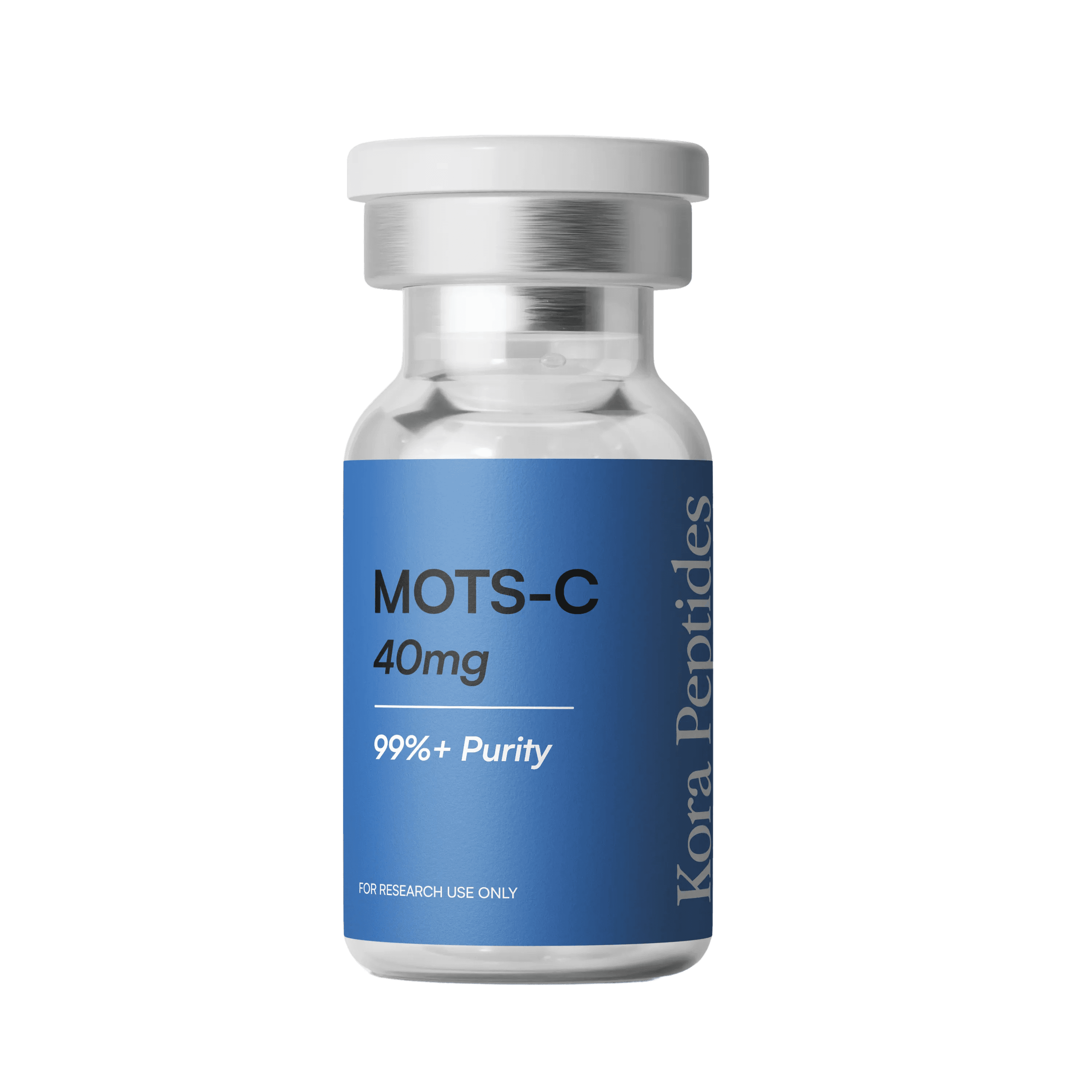
MOTS-C
A mitochondrial peptide that enhances glucose metabolism by 15-25% and boosts endurance capacity by up to 65%.
Best Seller
RECOVERY
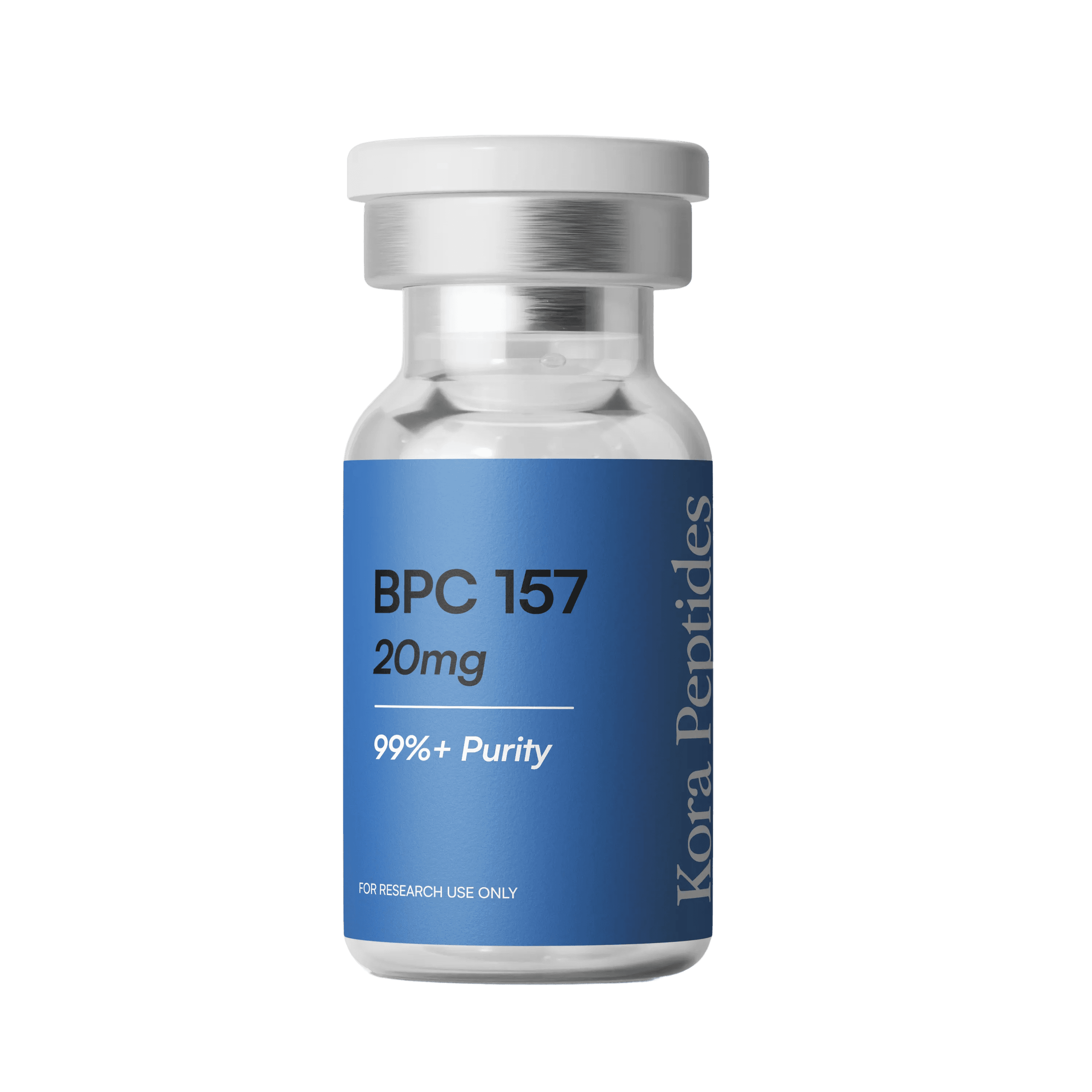
BPC 157
The "wolverine peptide" demonstrating 50-70% accelerated healing in tendon, muscle, and ligament injury models.
Best Seller
RECOVERY
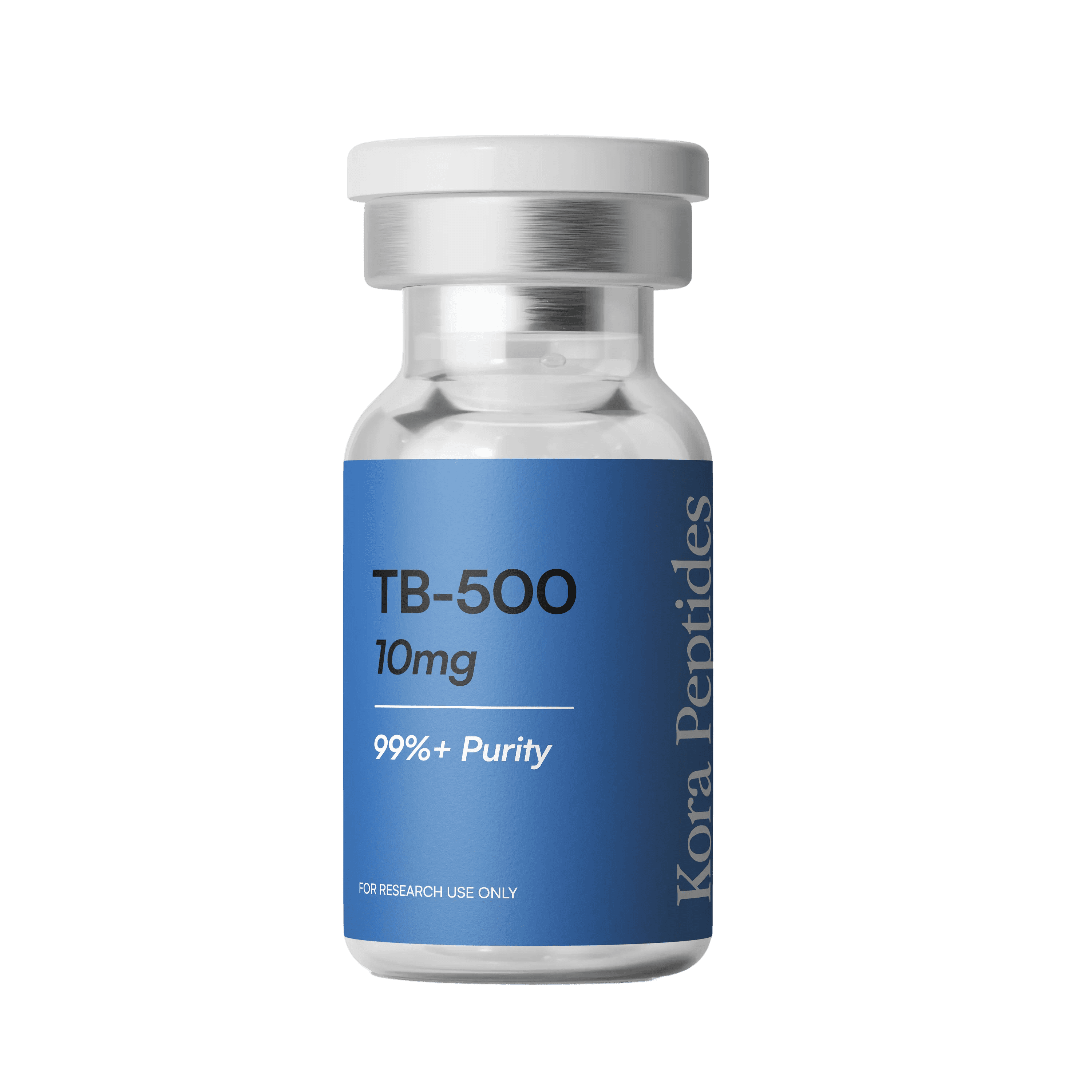
TB 500
A tissue repair peptide demonstrating 40-60% faster recovery times in injury models through enhanced cell migration and healing.
Best Seller
SKIN
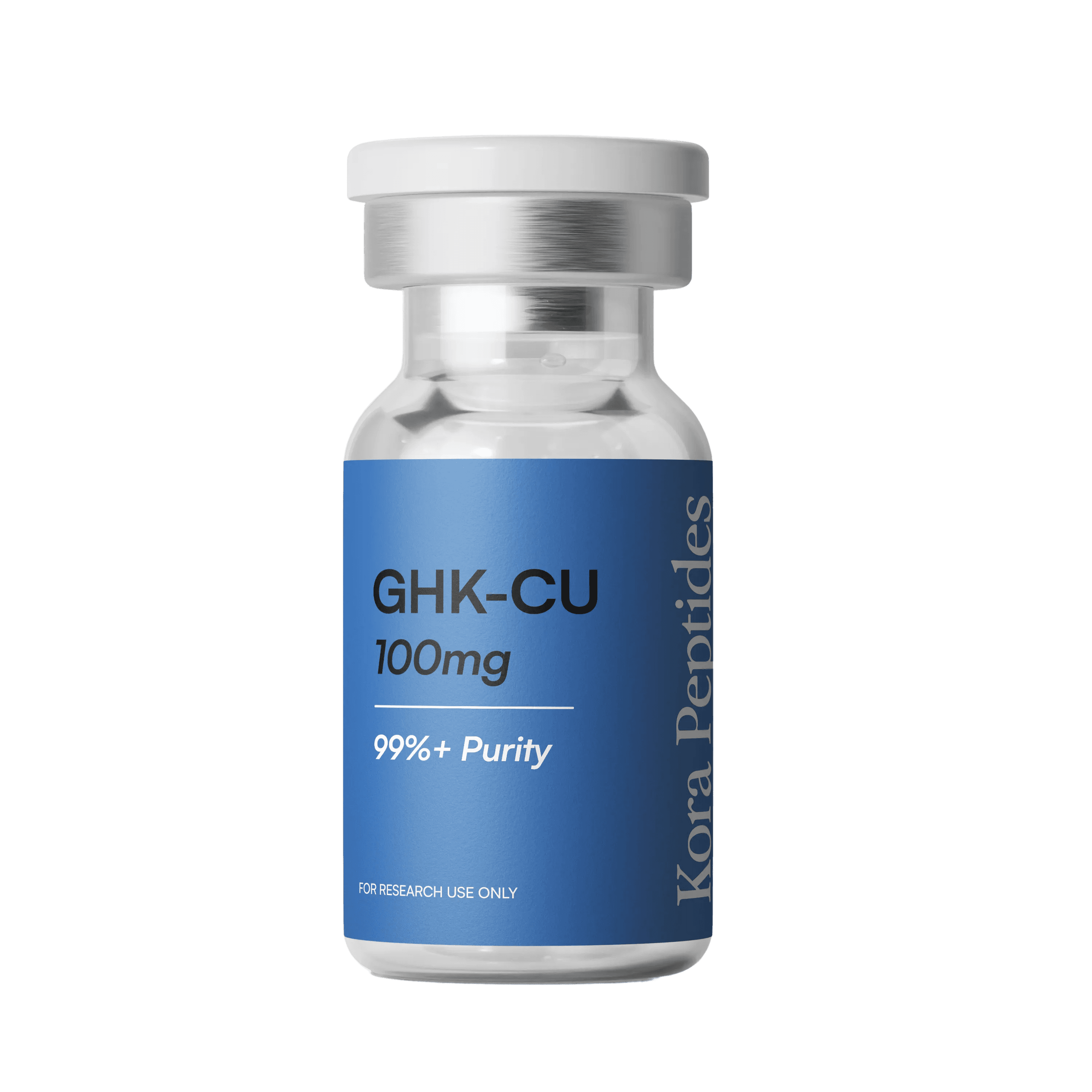
GHK CU
A copper peptide complex that increases collagen synthesis by up to 70%, promoting skin firmness and tissue regeneration.
FAQ
FAQ