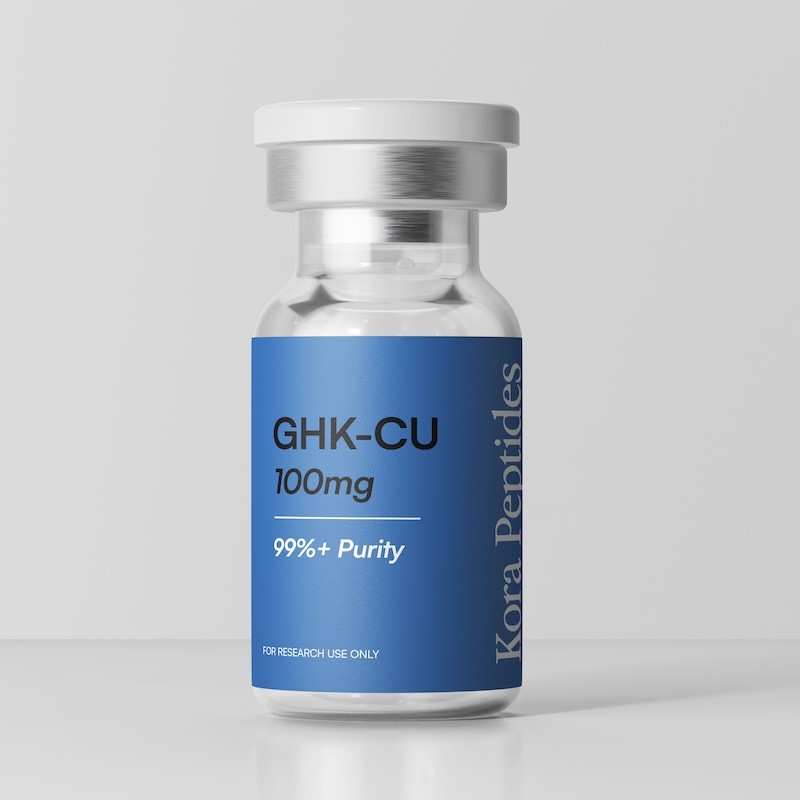
GHK-CU (100mg)
A copper peptide complex that dramatically activates collagen and elastin production pathways. Research demonstrates up to 70% increases in collagen synthesis and significant improvements in tissue firmness and structure, with visible changes observed in studies within 8-12 weeks.
A copper peptide complex that dramatically activates collagen and elastin production pathways. Research demonstrates up to 70% increases in collagen synthesis and significant improvements in tissue firmness and structure, with visible changes observed in studies within 8-12 weeks.
2,400,000 IDR
2,400,000 IDR

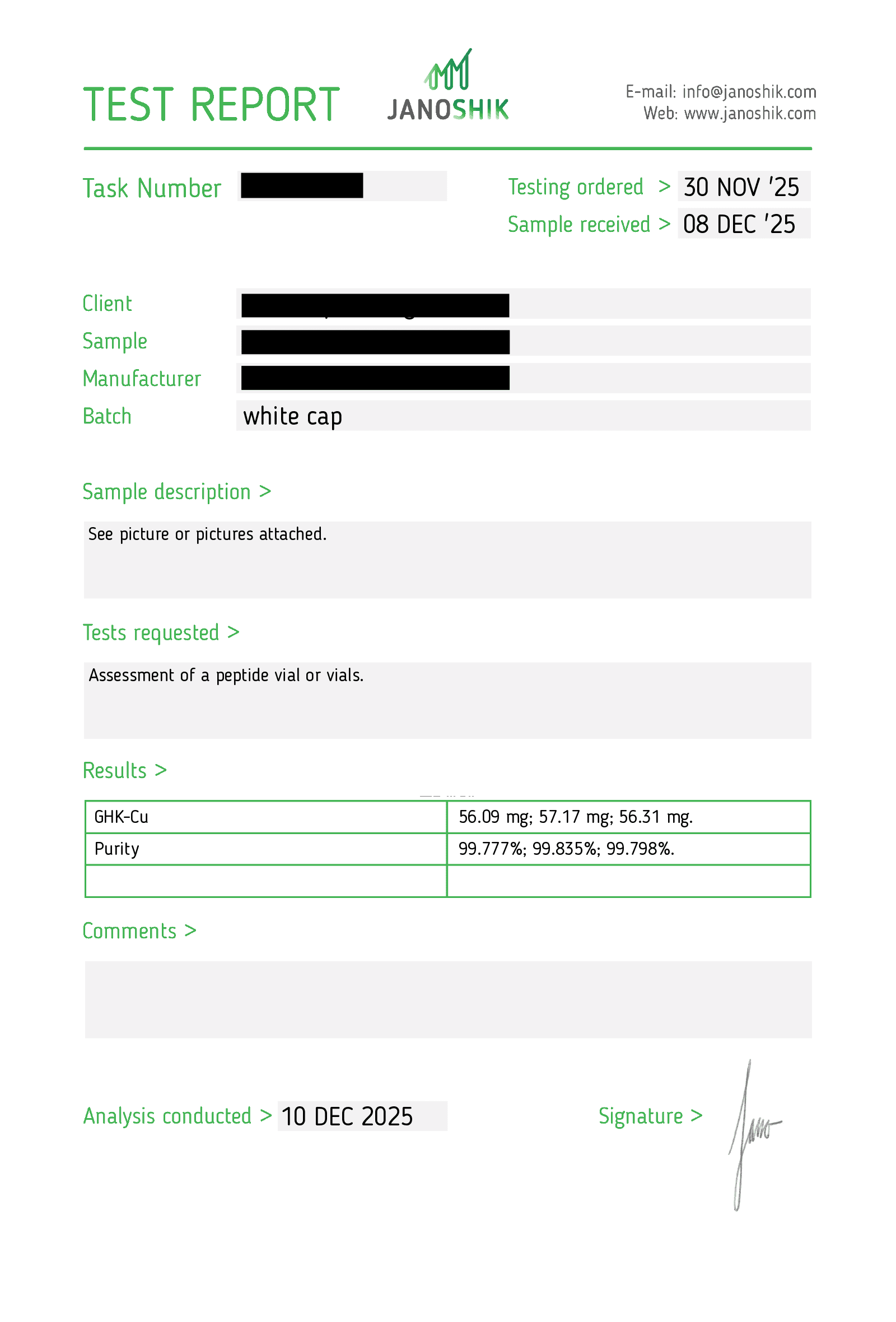
Lab Reports & COA's
Lab Reports & COA's
Purity
Passed
How should I store this peptide?
What purity are your peptides?
Research Use Only [Disclaimer]
Same-day shipping
Local orders are delivered same-day
Same-day shipping
Local orders are delivered same-day
Free deliveries and returns worldwide
We deliver across the world for free
Guaranteed returns within first two weeks
Return us desired item within two weeks

Overview
Lab Reports
Storage
Overview
What GHK-Cu Is & How It Works
GHK-Cu (Copper Tripeptide-1) is a naturally occurring copper-binding peptide first identified in human plasma, saliva, and urine. Its primary mechanism involves gene modulation and copper delivery, where it influences the expression of genes linked to tissue repair, inflammation control, antioxidant defense, and cellular remodeling. Genomic analyses show GHK-Cu can up-regulate genes involved in collagen synthesis, angiogenesis, and stem cell activation, while down-regulating genes associated with inflammation and tissue breakdown, positioning it as a broad regulator of regenerative signaling rather than a single-pathway compound (NCBI).
Evidence & Observed Effects in Research
Across in vitro, animal, and limited human studies, GHK-Cu has demonstrated enhanced wound healing, improved skin elasticity, increased collagen and glycosaminoglycan synthesis, and accelerated tissue repair. Early human studies showed improved healing rates in chronic wounds and post-procedural skin recovery when copper peptides were applied topically (PubMed). Gene expression studies further suggest GHK-Cu activates pathways related to mitochondrial function, DNA repair, and antioxidant enzymes, while suppressing pro-fibrotic and inflammatory signaling—effects that extend beyond cosmetic outcomes into systemic repair biology (NCBI).
Why It’s Studied Beyond Skin Health
Because GHK-Cu acts as a master regulator of repair-related gene networks, it has attracted interest in research areas spanning connective tissue regeneration, anti-inflammatory signaling, neuroprotection, and healthy aging biology. Its ability to influence hundreds of genes tied to cellular resilience and structural integrity makes it a unique compound for studying long-term tissue maintenance and recovery, rather than short-term symptomatic effects (NCBI).
Overview
Lab Reports
Storage
Overview
What GHK-Cu Is & How It Works
GHK-Cu (Copper Tripeptide-1) is a naturally occurring copper-binding peptide first identified in human plasma, saliva, and urine. Its primary mechanism involves gene modulation and copper delivery, where it influences the expression of genes linked to tissue repair, inflammation control, antioxidant defense, and cellular remodeling. Genomic analyses show GHK-Cu can up-regulate genes involved in collagen synthesis, angiogenesis, and stem cell activation, while down-regulating genes associated with inflammation and tissue breakdown, positioning it as a broad regulator of regenerative signaling rather than a single-pathway compound (NCBI).
Evidence & Observed Effects in Research
Across in vitro, animal, and limited human studies, GHK-Cu has demonstrated enhanced wound healing, improved skin elasticity, increased collagen and glycosaminoglycan synthesis, and accelerated tissue repair. Early human studies showed improved healing rates in chronic wounds and post-procedural skin recovery when copper peptides were applied topically (PubMed). Gene expression studies further suggest GHK-Cu activates pathways related to mitochondrial function, DNA repair, and antioxidant enzymes, while suppressing pro-fibrotic and inflammatory signaling—effects that extend beyond cosmetic outcomes into systemic repair biology (NCBI).
Why It’s Studied Beyond Skin Health
Because GHK-Cu acts as a master regulator of repair-related gene networks, it has attracted interest in research areas spanning connective tissue regeneration, anti-inflammatory signaling, neuroprotection, and healthy aging biology. Its ability to influence hundreds of genes tied to cellular resilience and structural integrity makes it a unique compound for studying long-term tissue maintenance and recovery, rather than short-term symptomatic effects (NCBI).
PEPTIDES
PEPTIDES
You Might also like
You Might also like
Add these popular peptides to your order now
Add these popular peptides to your order now
Best Seller
Weight Loss
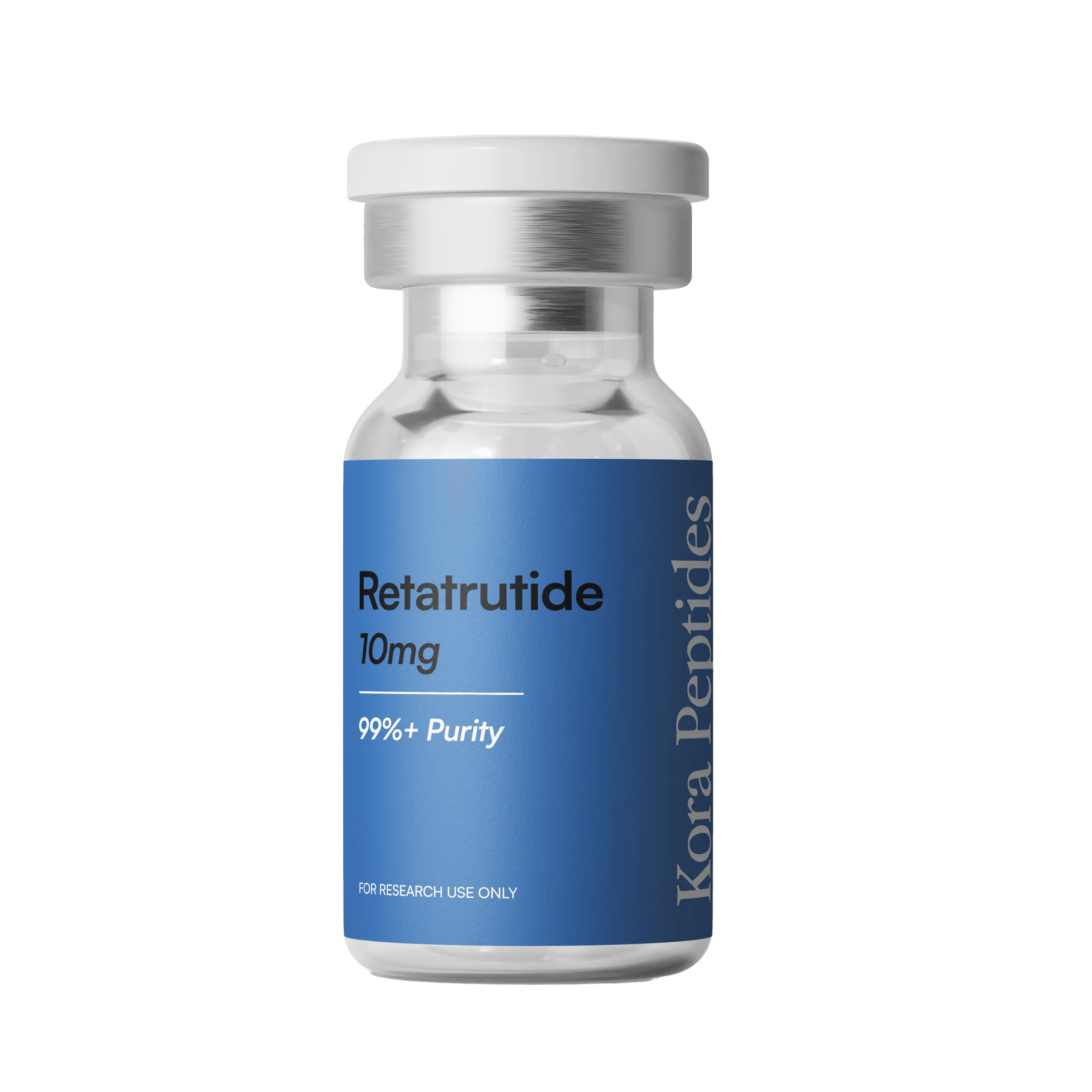
Retatrutide
The most powerful weight loss peptide studied, with clinical trials showing up to 24% body weight reduction in 48 weeks.
Best Seller
Weight Loss / Muscle
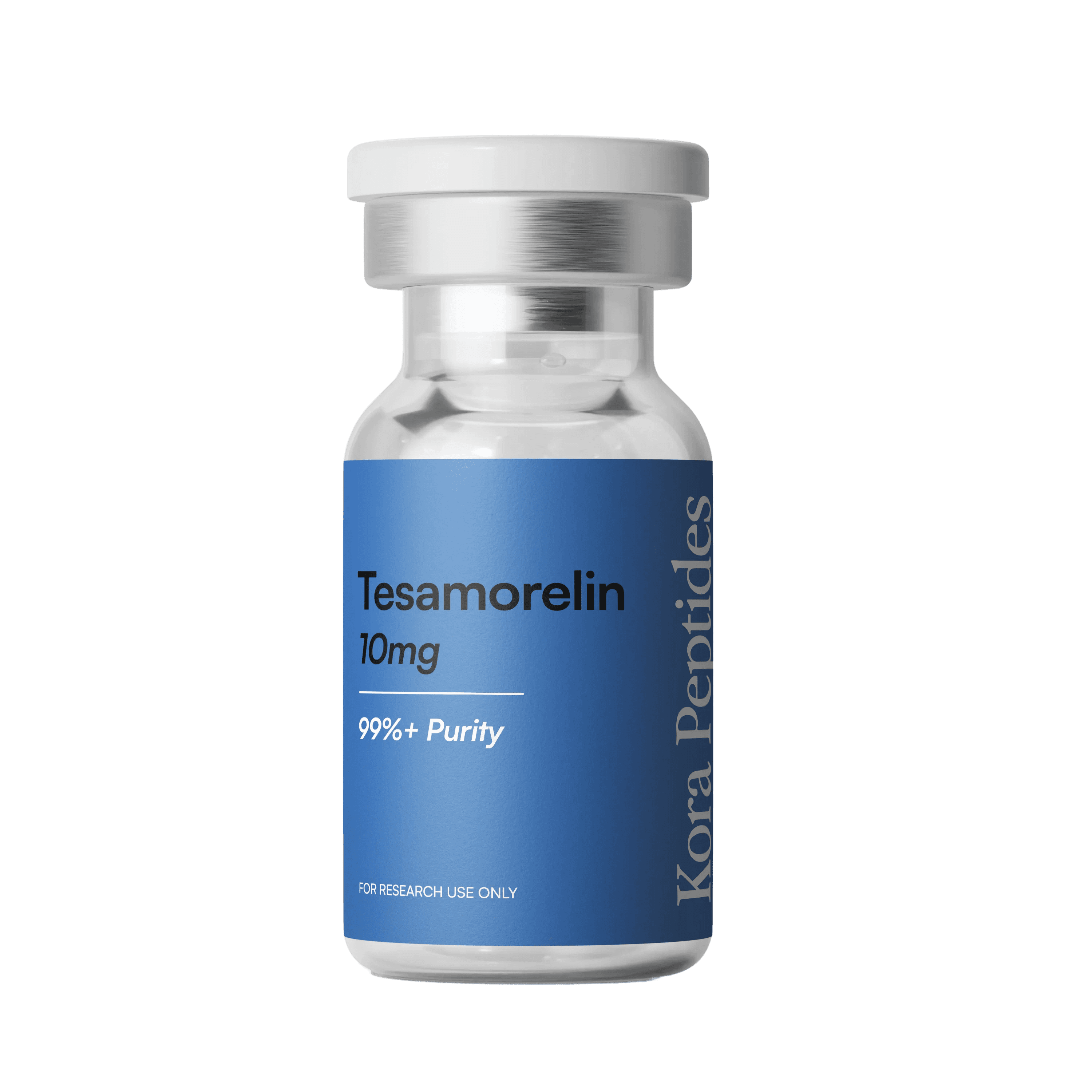
Tesamorelin
A GHRH analogue clinically proven to reduce visceral belly fat by 15-18% over 26 weeks.
Best Seller
ENERGY
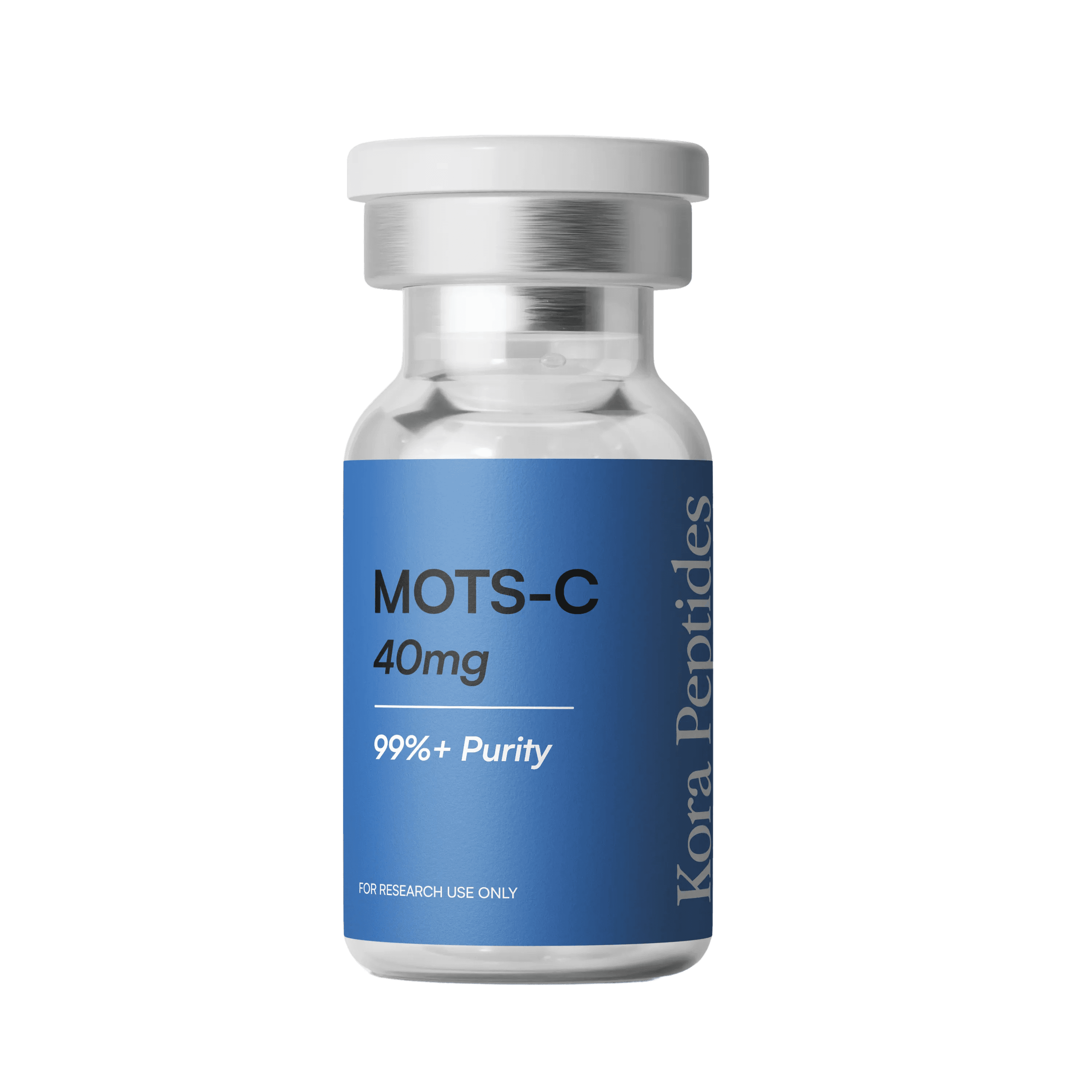
MOTS-C
A mitochondrial peptide that enhances glucose metabolism by 15-25% and boosts endurance capacity by up to 65%.
Best Seller
RECOVERY
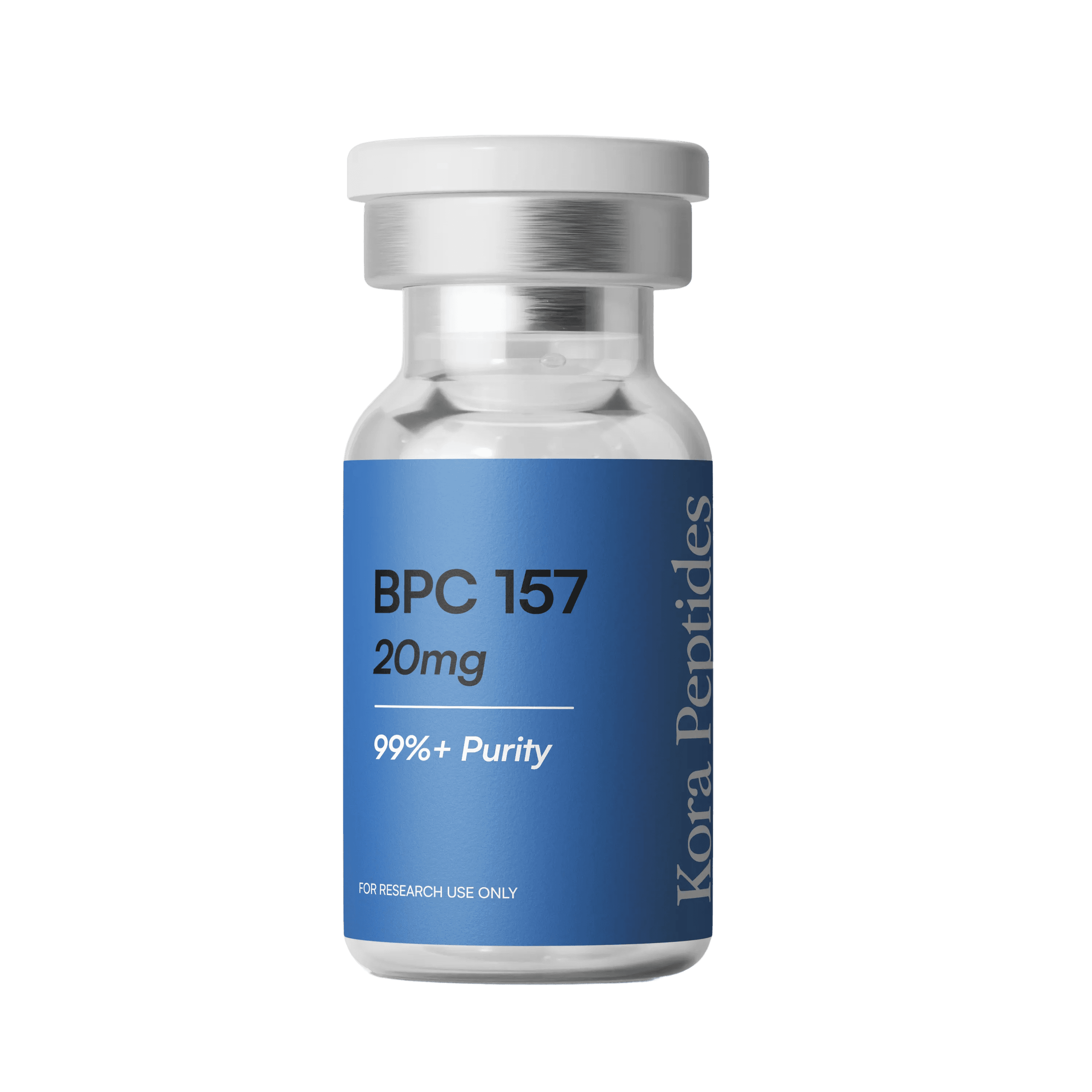
BPC 157
The "wolverine peptide" demonstrating 50-70% accelerated healing in tendon, muscle, and ligament injury models.
Best Seller
RECOVERY
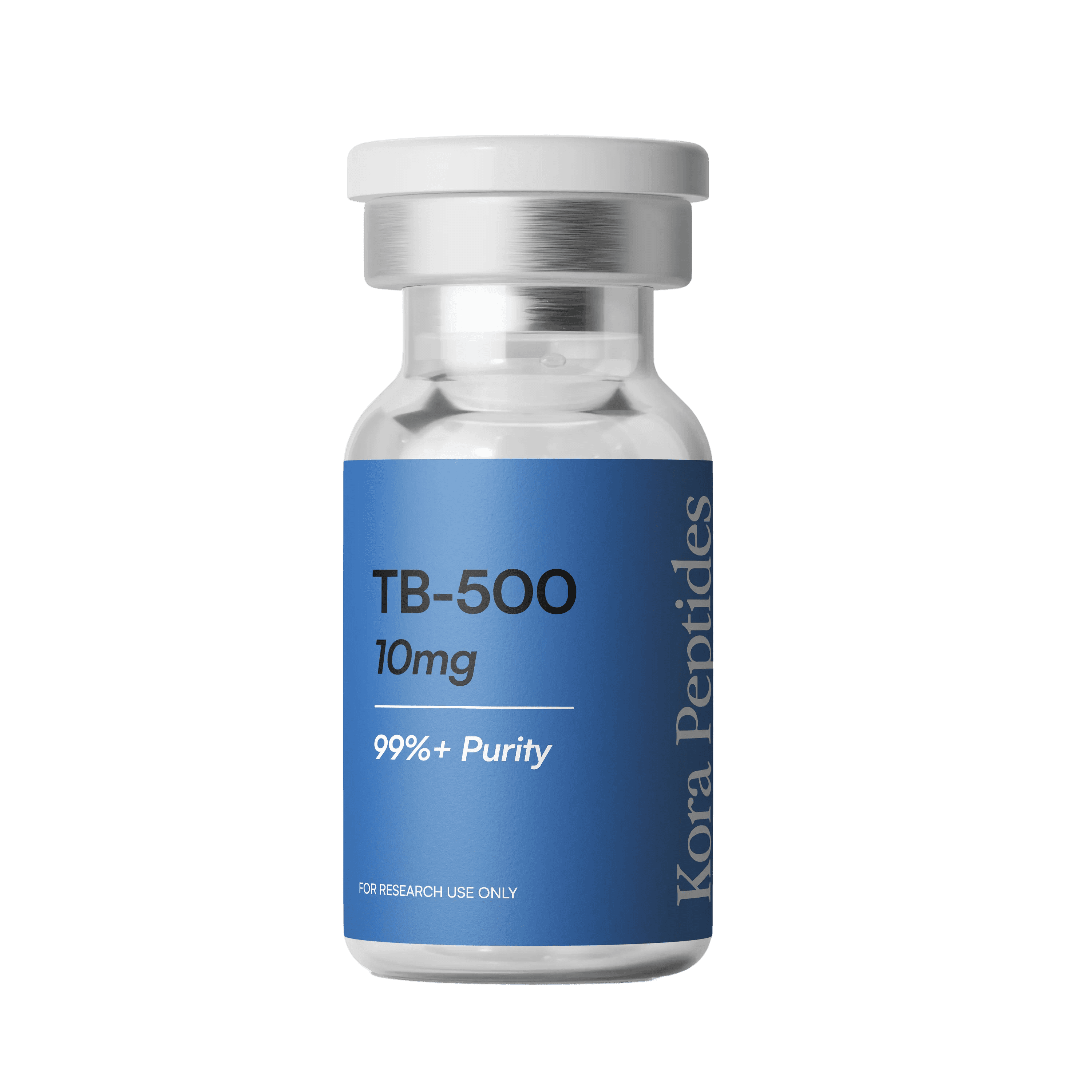
TB 500
A tissue repair peptide demonstrating 40-60% faster recovery times in injury models through enhanced cell migration and healing.
Best Seller
SKIN
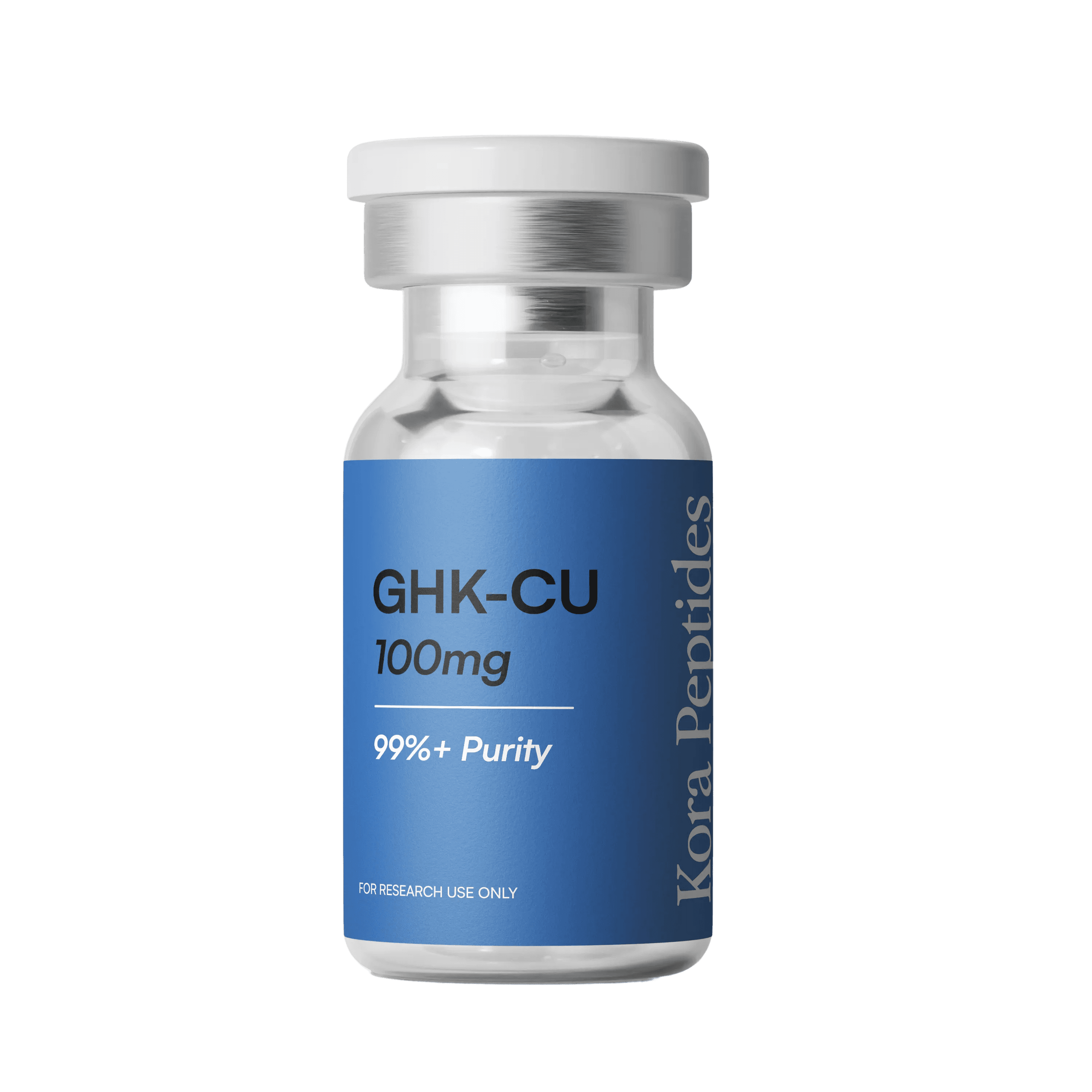
GHK CU
A copper peptide complex that increases collagen synthesis by up to 70%, promoting skin firmness and tissue regeneration.
FAQ
FAQ