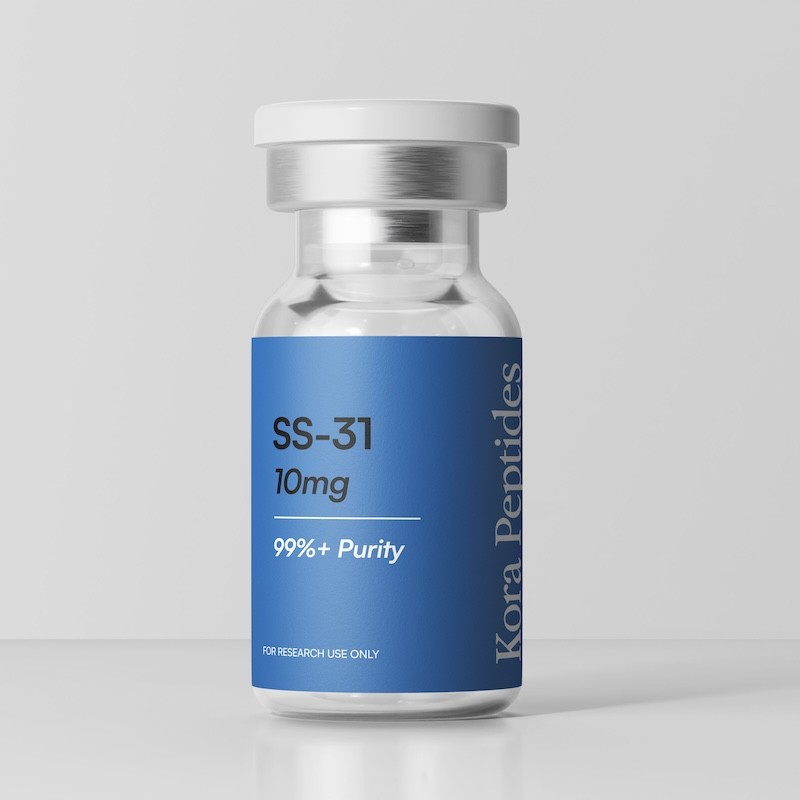
SS-31 (10mg)
A mitochondrial optimizer that targets the powerhouses of your cells directly. Studies show 30-50% improvements in ATP production efficiency and up to 40% reductions in oxidative damage markers, potentially reversing cellular aging indicators in research models.
A mitochondrial optimizer that targets the powerhouses of your cells directly. Studies show 30-50% improvements in ATP production efficiency and up to 40% reductions in oxidative damage markers, potentially reversing cellular aging indicators in research models.
2,000,000 IDR
2,000,000 IDR

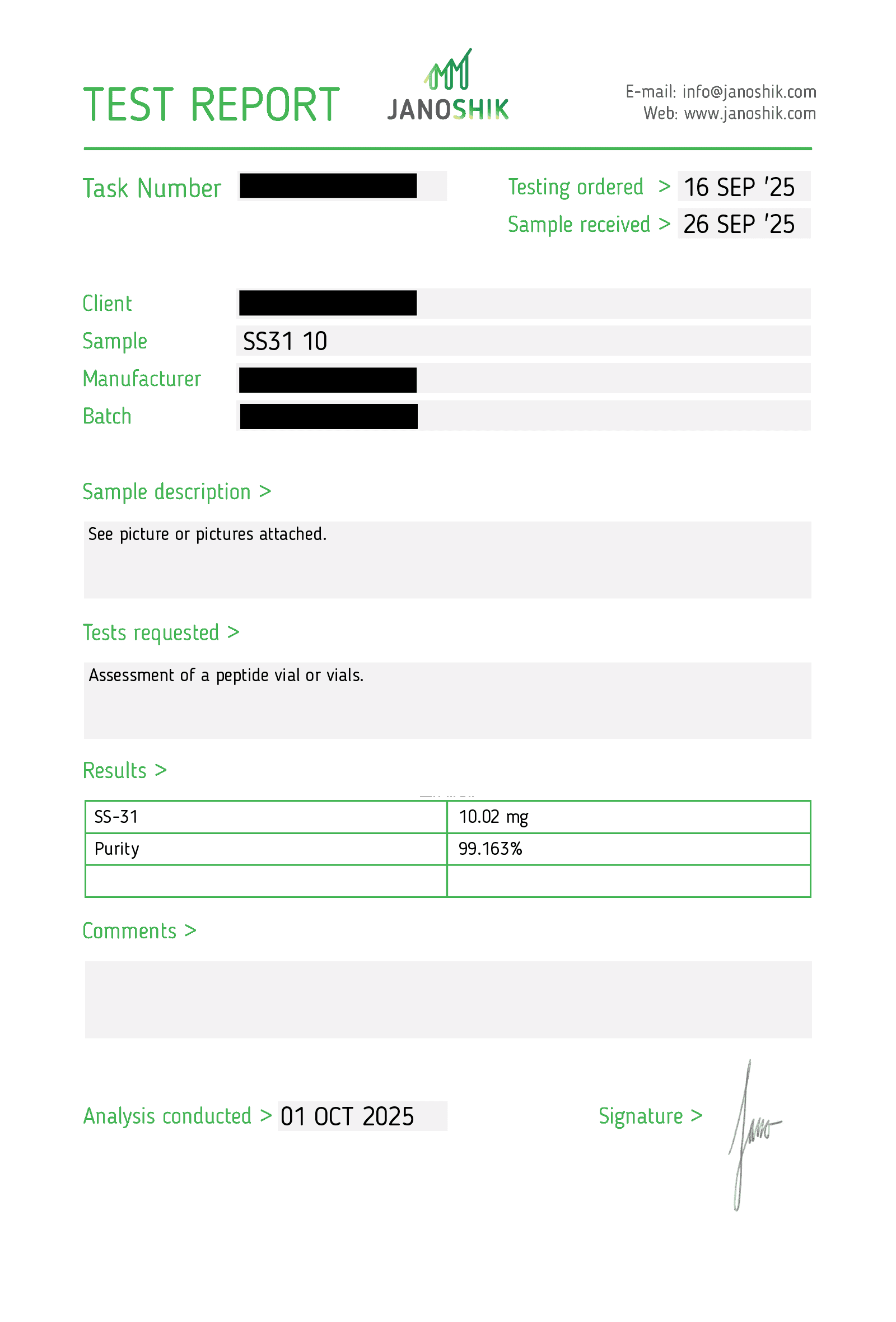
Lab Reports & COA's
Lab Reports & COA's
Purity
Passed
How should I store this peptide?
What purity are your peptides?
Research Use Only [Disclaimer]
Same-day shipping
Local orders are delivered same-day
Same-day shipping
Local orders are delivered same-day
Free deliveries and returns worldwide
We deliver across the world for free
Guaranteed returns within first two weeks
Return us desired item within two weeks

Overview
Lab Reports
Storage
Overview
What SS-31 Is & How It Works
SS-31 (also known as Elamipretide) is a mitochondria-targeted tetrapeptide designed to selectively bind cardiolipin, a phospholipid critical for the structural integrity and function of the inner mitochondrial membrane. By stabilizing cardiolipin, SS-31 helps optimize electron transport chain efficiency, reduce electron leak and reactive oxygen species (ROS) production, and preserve ATP generation under stress conditions. Unlike antioxidants that scavenge free radicals after damage occurs, SS-31 works upstream by improving mitochondrial bioenergetics and membrane stability (PubMed, NCBI).
Clinical & Translational Research Findings
SS-31 is one of the most extensively studied mitochondrial peptides in human clinical research. In multiple Phase I–III trials across cardiovascular, renal, and mitochondrial disorders, SS-31 demonstrated improvements in mitochondrial efficiency, reduced oxidative stress markers, and enhanced cellular resilience. In a randomized controlled trial in older adults, SS-31 significantly improved skeletal muscle mitochondrial ATP production capacity compared to placebo (PubMed). Additional studies in heart failure and ischemia-reperfusion injury showed improved cardiac function and reduced tissue damage, supporting its role in energy-intensive tissues (PubMed).
Why It’s Studied for Performance, Aging & Recovery
Because mitochondrial dysfunction is a central driver of fatigue, reduced exercise tolerance, metabolic inefficiency, and age-related decline, SS-31 has become a compound of interest in research focused on cellular energy optimization and resilience under load. By directly targeting mitochondrial membrane stability rather than hormonal or stimulatory pathways, it offers a unique research model for studying sustained energy production, tissue recovery, and protection against metabolic stress, distinguishing it from conventional metabolic agents (NCBI).
Overview
Lab Reports
Storage
Overview
What SS-31 Is & How It Works
SS-31 (also known as Elamipretide) is a mitochondria-targeted tetrapeptide designed to selectively bind cardiolipin, a phospholipid critical for the structural integrity and function of the inner mitochondrial membrane. By stabilizing cardiolipin, SS-31 helps optimize electron transport chain efficiency, reduce electron leak and reactive oxygen species (ROS) production, and preserve ATP generation under stress conditions. Unlike antioxidants that scavenge free radicals after damage occurs, SS-31 works upstream by improving mitochondrial bioenergetics and membrane stability (PubMed, NCBI).
Clinical & Translational Research Findings
SS-31 is one of the most extensively studied mitochondrial peptides in human clinical research. In multiple Phase I–III trials across cardiovascular, renal, and mitochondrial disorders, SS-31 demonstrated improvements in mitochondrial efficiency, reduced oxidative stress markers, and enhanced cellular resilience. In a randomized controlled trial in older adults, SS-31 significantly improved skeletal muscle mitochondrial ATP production capacity compared to placebo (PubMed). Additional studies in heart failure and ischemia-reperfusion injury showed improved cardiac function and reduced tissue damage, supporting its role in energy-intensive tissues (PubMed).
Why It’s Studied for Performance, Aging & Recovery
Because mitochondrial dysfunction is a central driver of fatigue, reduced exercise tolerance, metabolic inefficiency, and age-related decline, SS-31 has become a compound of interest in research focused on cellular energy optimization and resilience under load. By directly targeting mitochondrial membrane stability rather than hormonal or stimulatory pathways, it offers a unique research model for studying sustained energy production, tissue recovery, and protection against metabolic stress, distinguishing it from conventional metabolic agents (NCBI).
PEPTIDES
PEPTIDES
You Might also like
You Might also like
Add these popular peptides to your order now
Add these popular peptides to your order now
Best Seller
Weight Loss
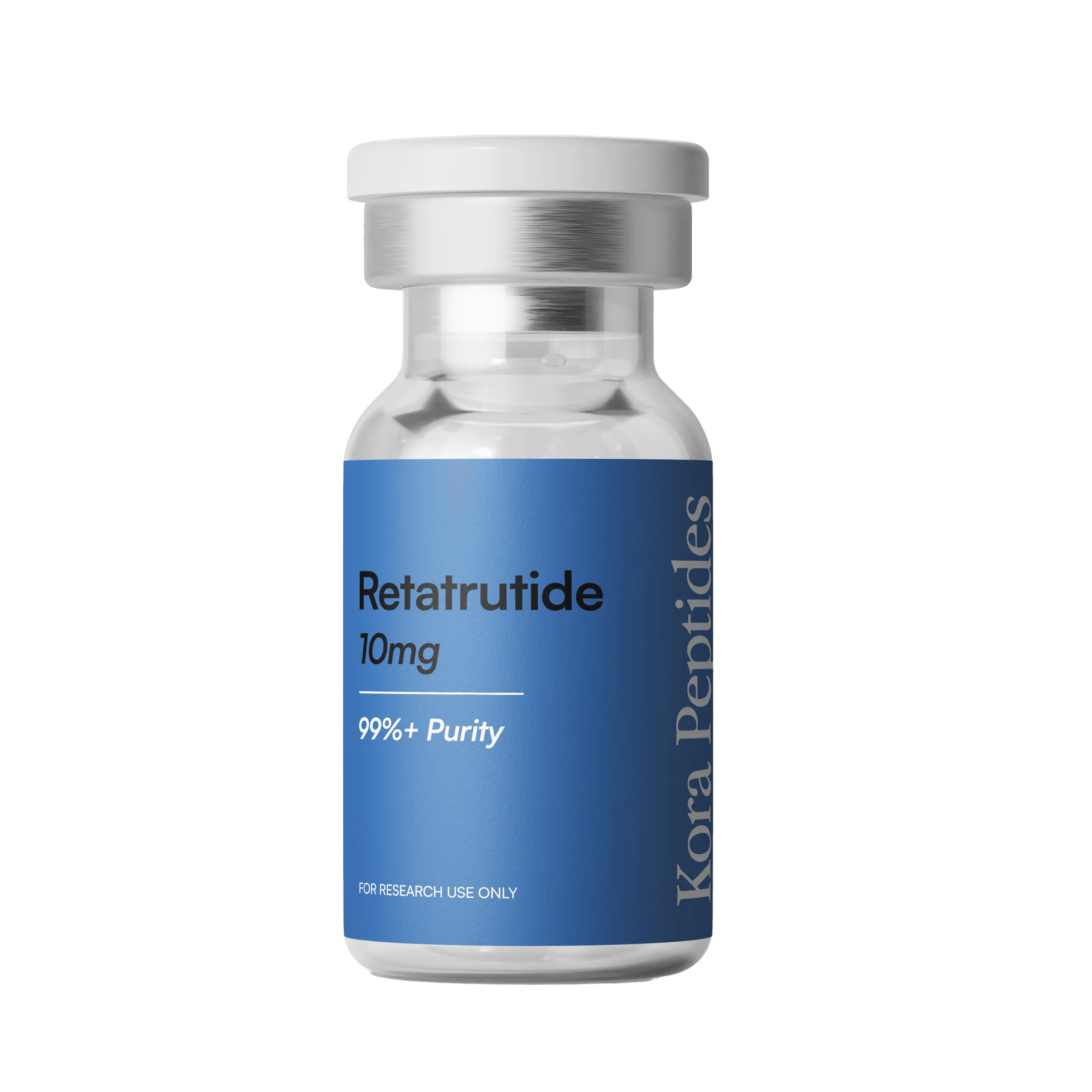
Retatrutide
The most powerful weight loss peptide studied, with clinical trials showing up to 24% body weight reduction in 48 weeks.
Best Seller
Weight Loss / Muscle
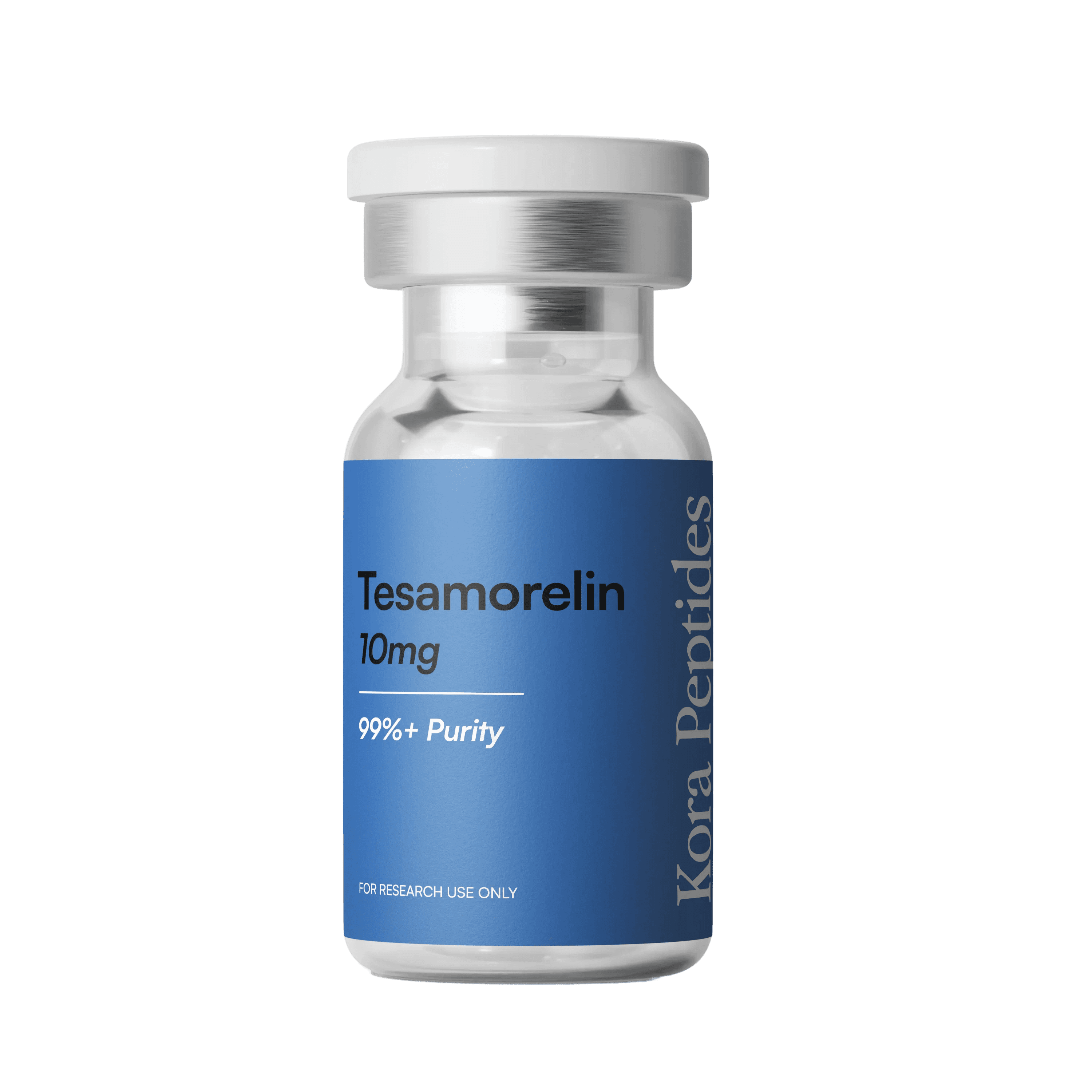
Tesamorelin
A GHRH analogue clinically proven to reduce visceral belly fat by 15-18% over 26 weeks.
Best Seller
ENERGY
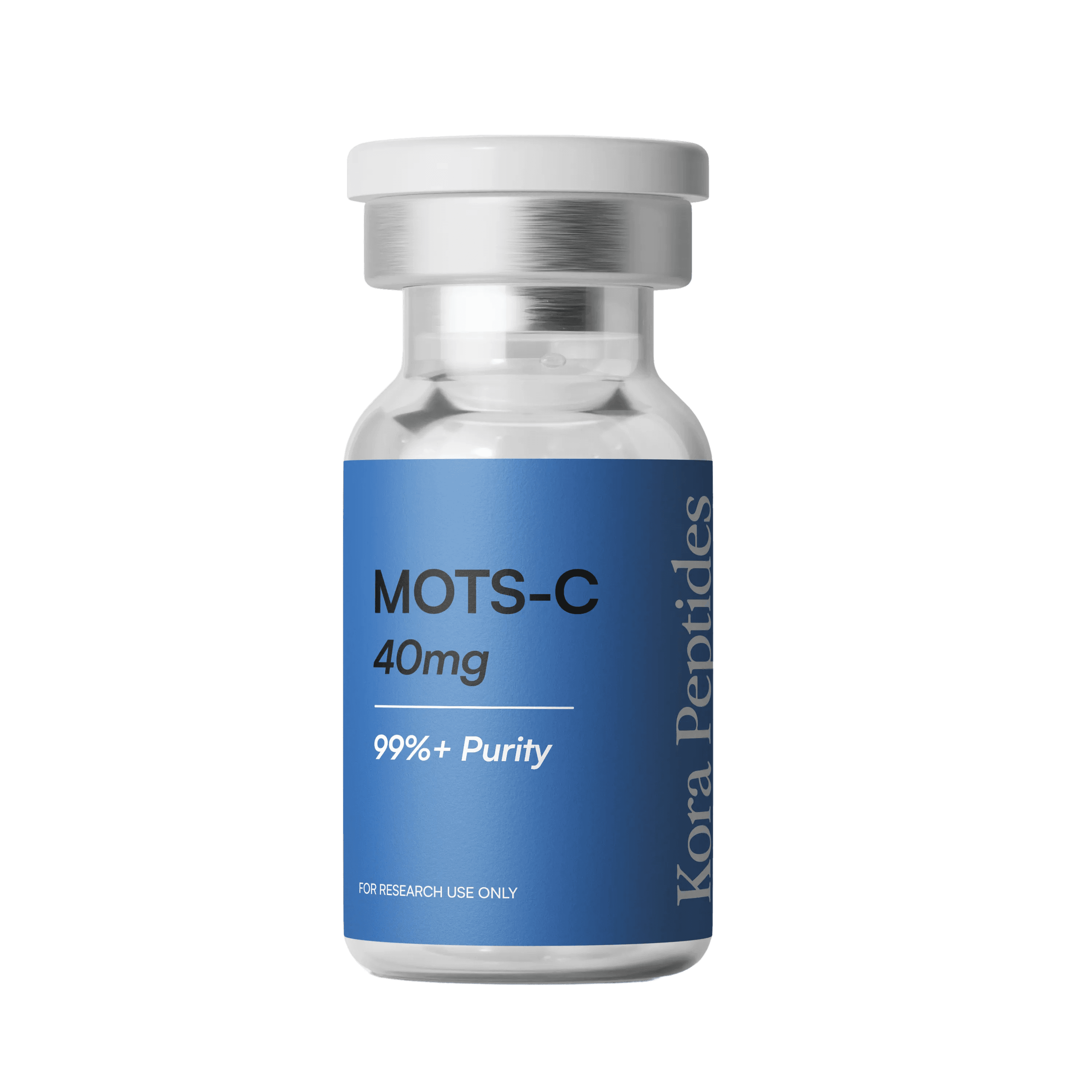
MOTS-C
A mitochondrial peptide that enhances glucose metabolism by 15-25% and boosts endurance capacity by up to 65%.
Best Seller
RECOVERY
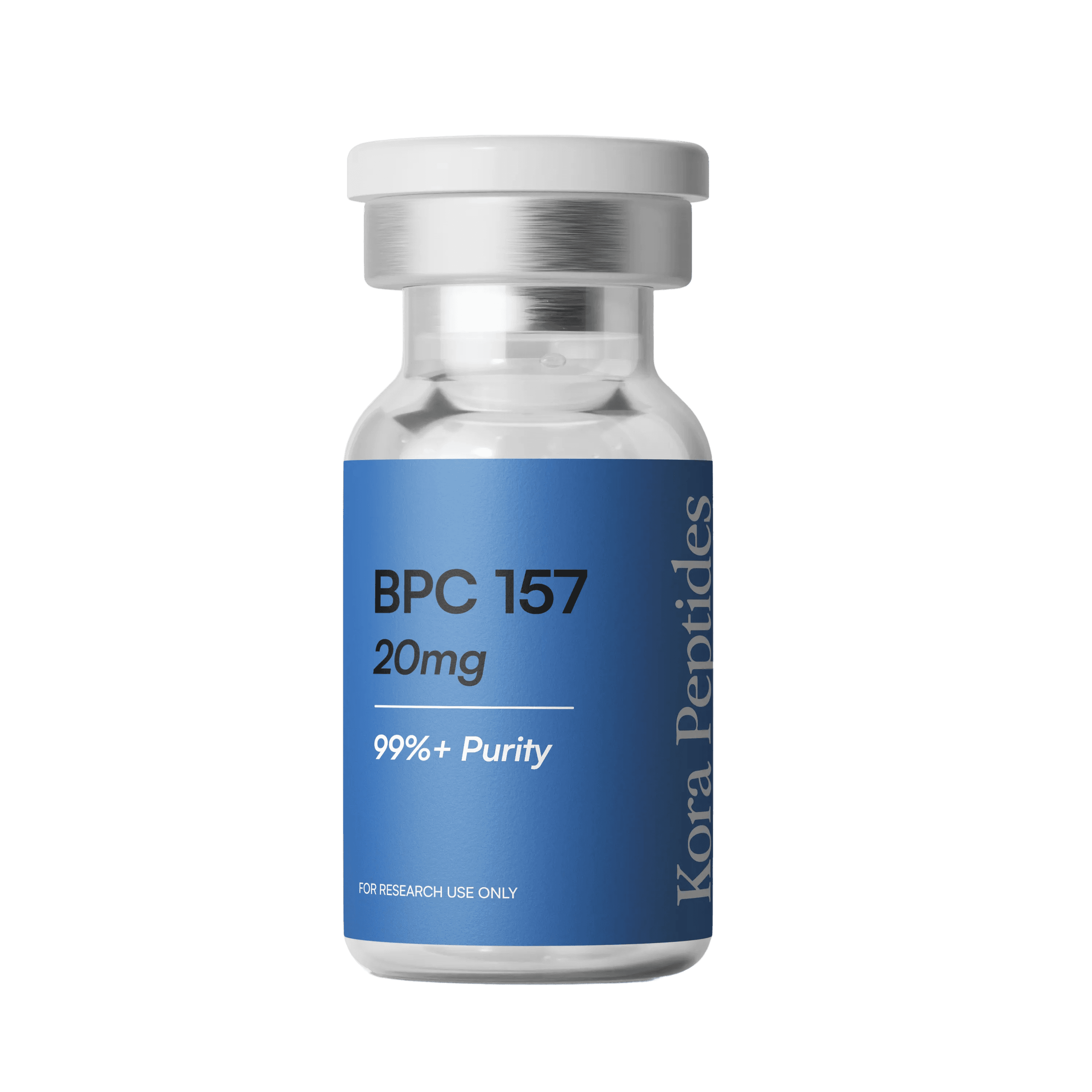
BPC 157
The "wolverine peptide" demonstrating 50-70% accelerated healing in tendon, muscle, and ligament injury models.
Best Seller
RECOVERY
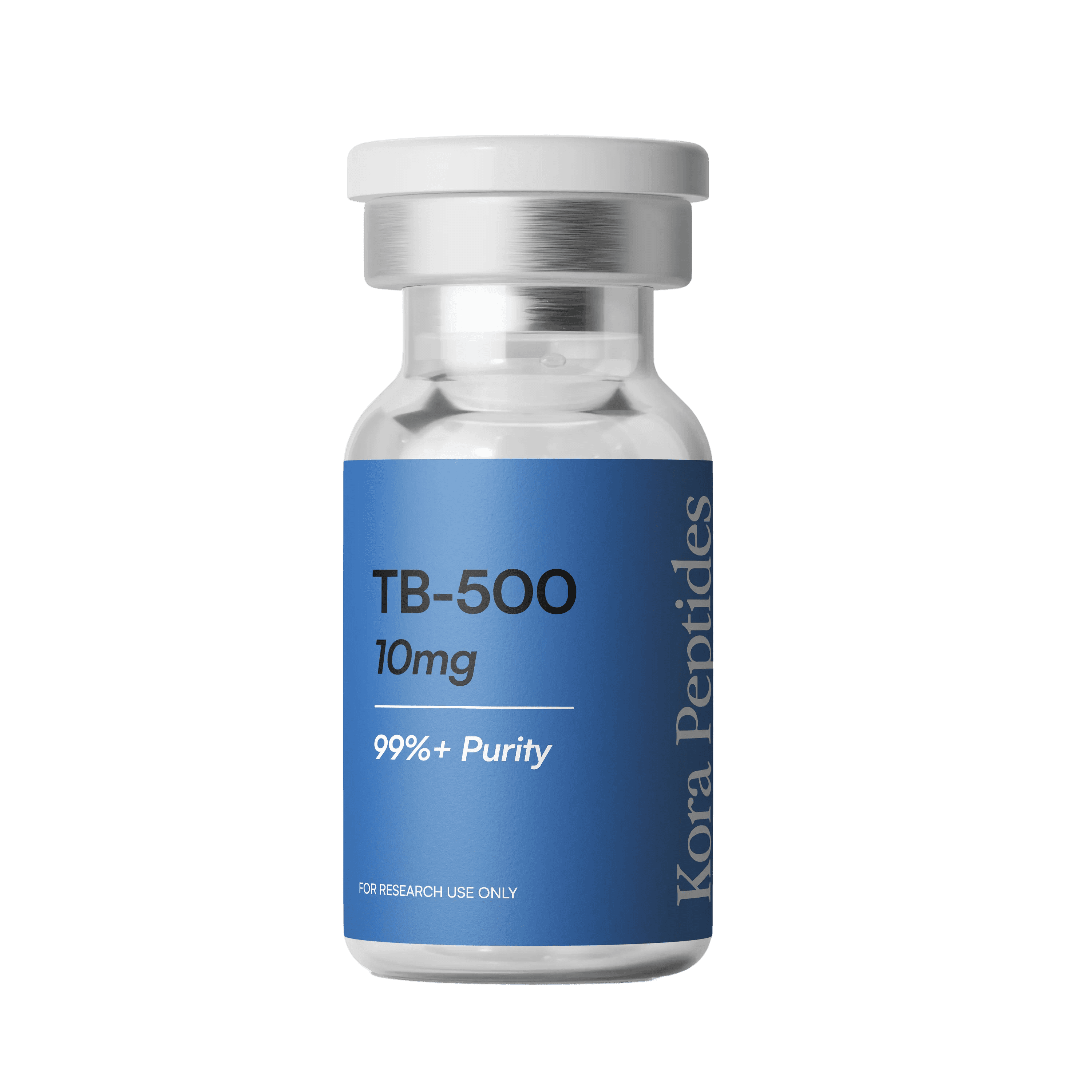
TB 500
A tissue repair peptide demonstrating 40-60% faster recovery times in injury models through enhanced cell migration and healing.
Best Seller
SKIN
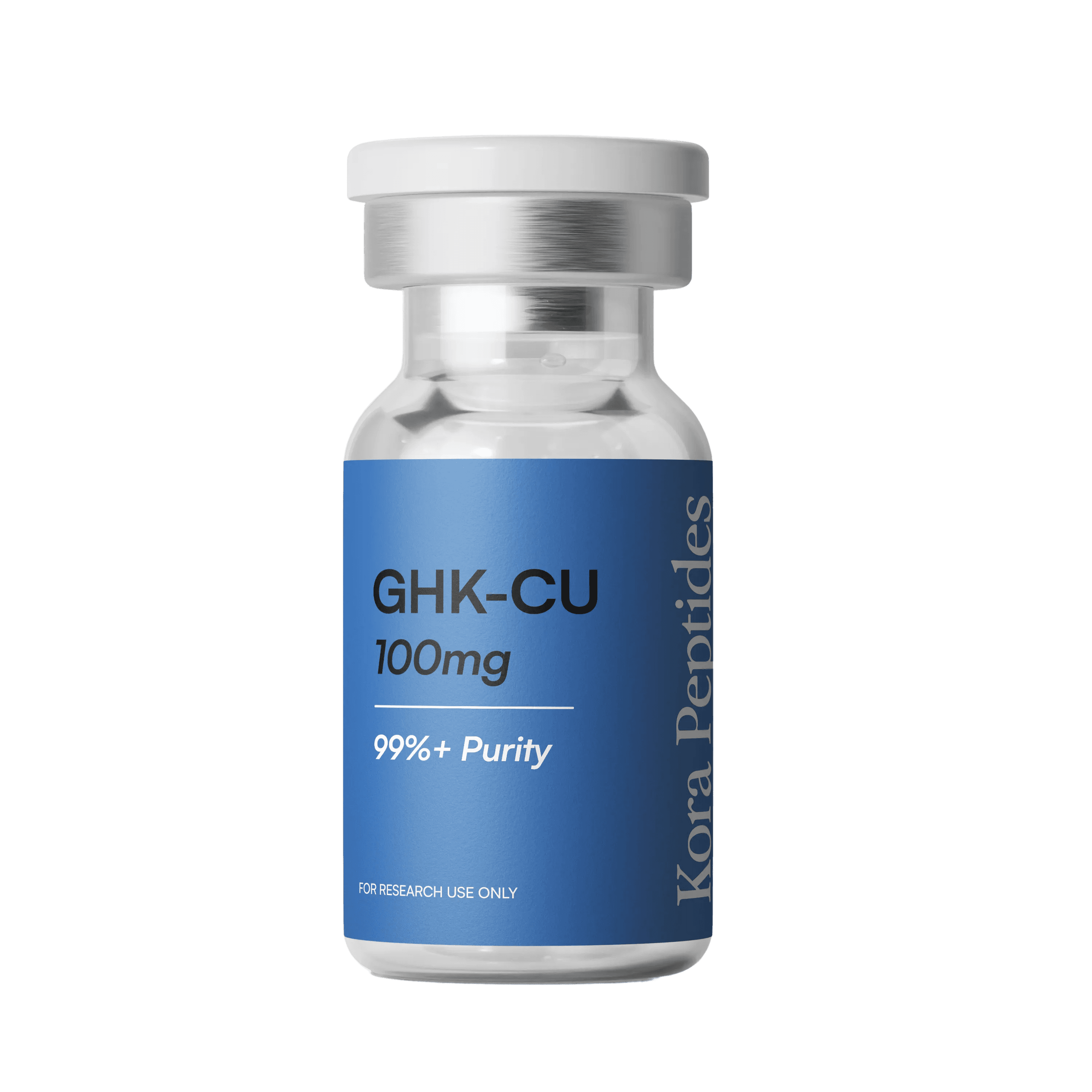
GHK CU
A copper peptide complex that increases collagen synthesis by up to 70%, promoting skin firmness and tissue regeneration.
FAQ
FAQ